Archive for March 2026
Konnichiwa, fellow collectors! As the delicate cherry blossoms begin to unfurl their beauty across Japan, bringing that vibrant spring energy, we're thrilled to usher in another week of amazing new releases. Between March 15th and March 21st, 2026, our digital shelves are blooming with 26 absolutely captivating bishoujo figures, ready to bring that springtime sparkle to your display. Just like enjoying the vibrant hanami season, discovering these fan-favorite characters, from beloved anime, manga, and video games, feels like a breath of fresh air and pure joy. Get ready to welcome these kawaii additions and find the perfect gem to brighten your collection! 🌸✨
※ Please note that some products may be unavailable in selected regions.
Azur Lane Napoli: Dreamy Night Ver. 1/4 Scale Figure
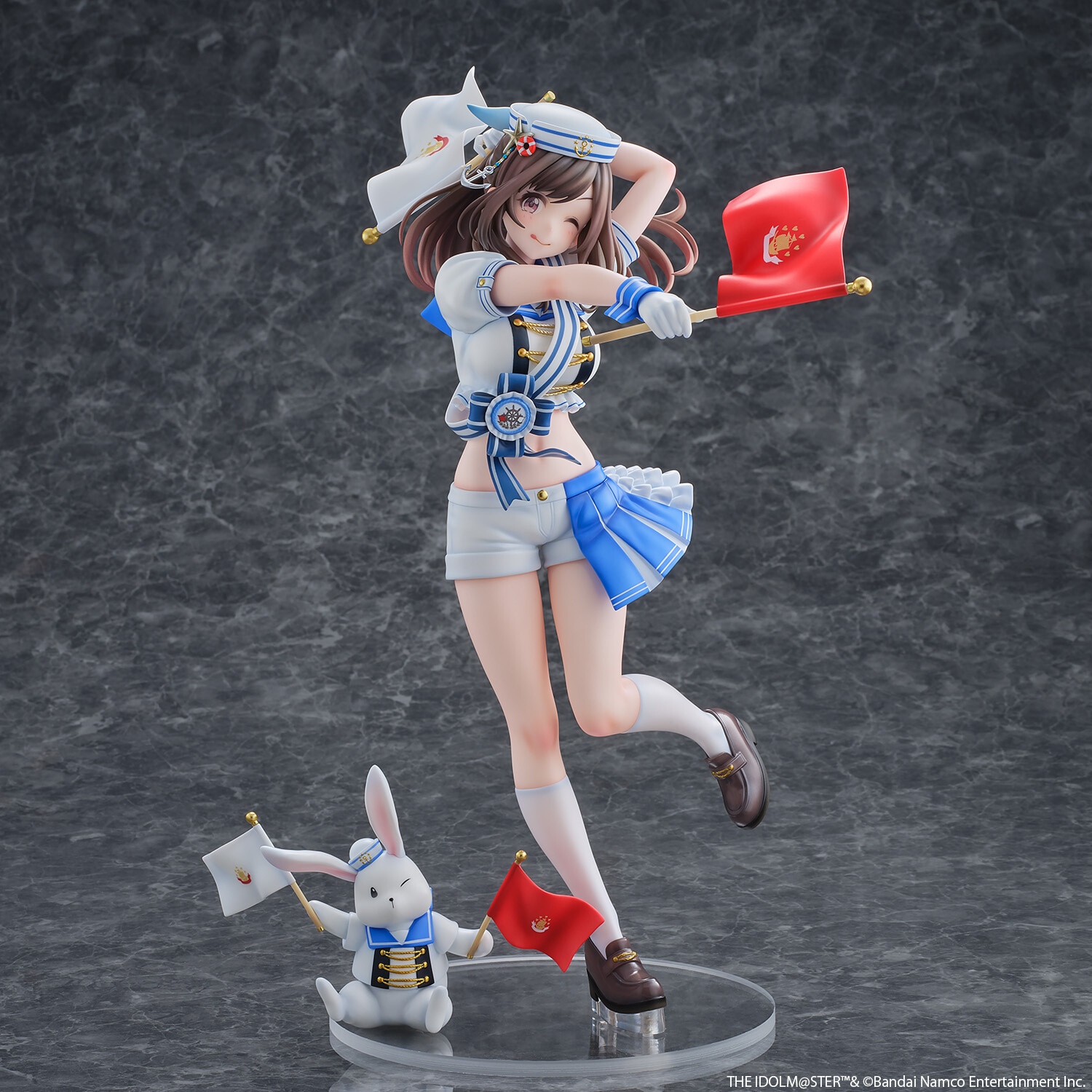
The Idolm@ster: Shiny Colors Kogane Tsukioka: Sailing Sailor Ver. 1/6 Scale Figure
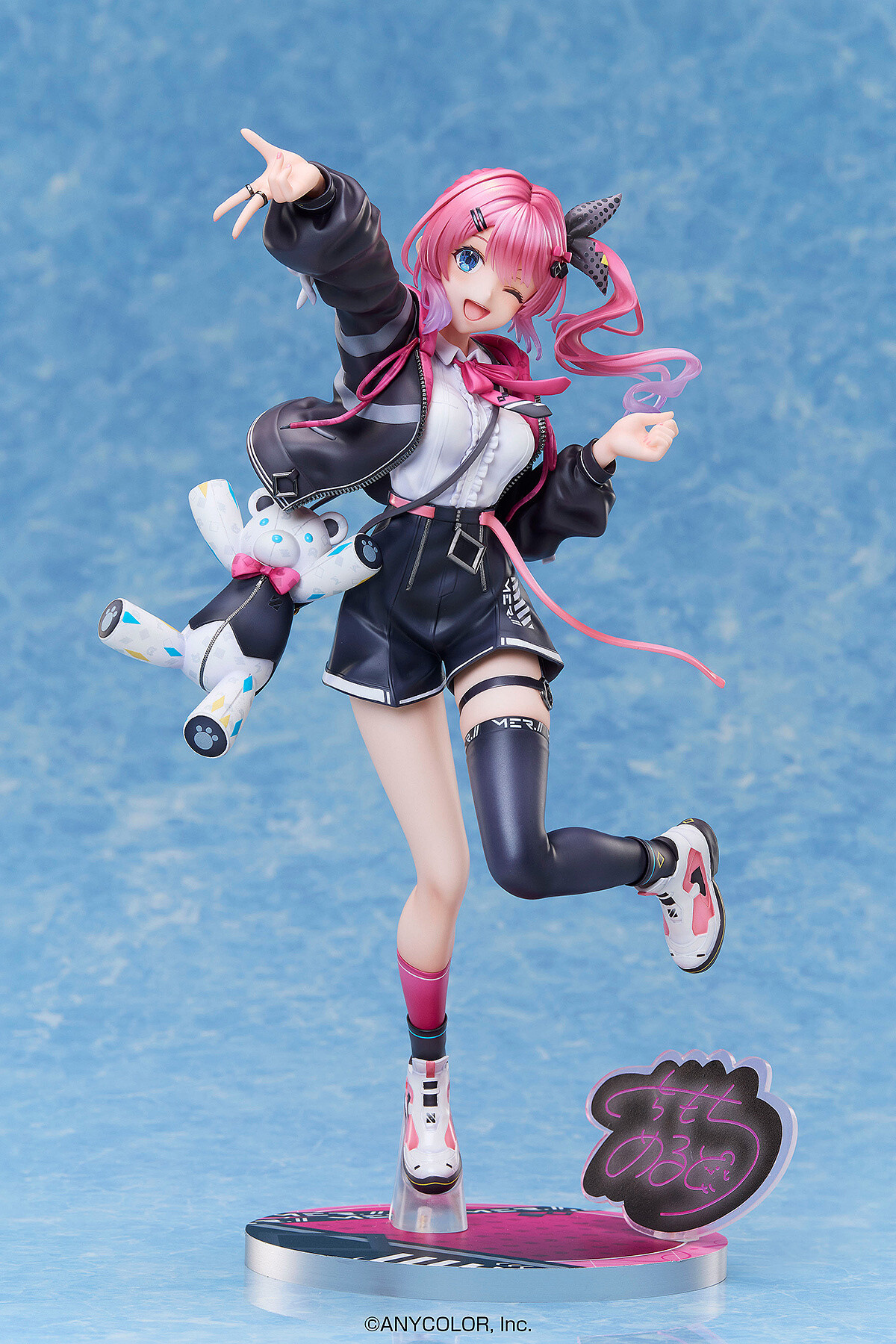
Nijisanji Kuramochi Meruto 1/7 Scale Figure
Nendoroid Blue Archive Yuuka Hayase (Re-run)
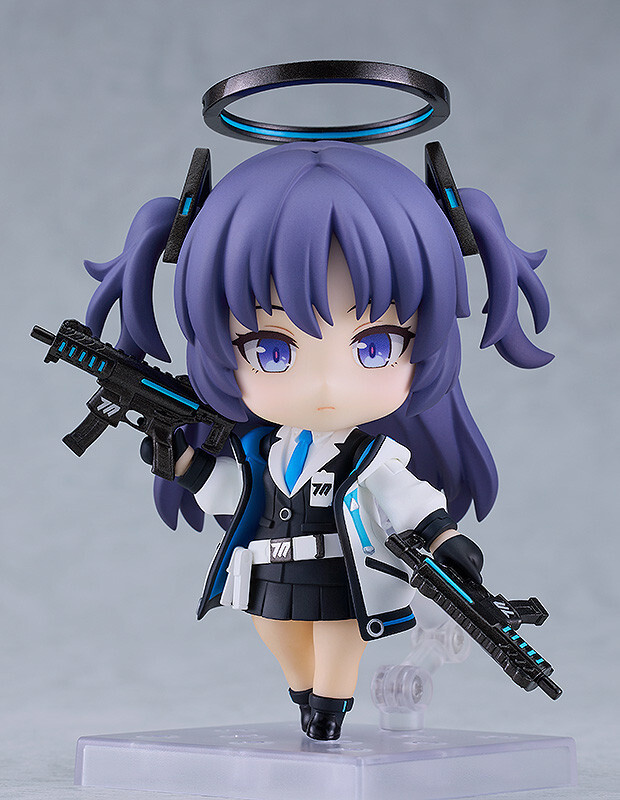
"Lucky? No, it's just as calculated."
From the popular game "Blue Archive" comes a Nendoroid of Yuuka Hayase, the treasurer of Seminar, the student council at Millennium Science School!
Nendoroid Doll My Dress-Up Darling Marin Kitagawa: Casual Outfit Ver.
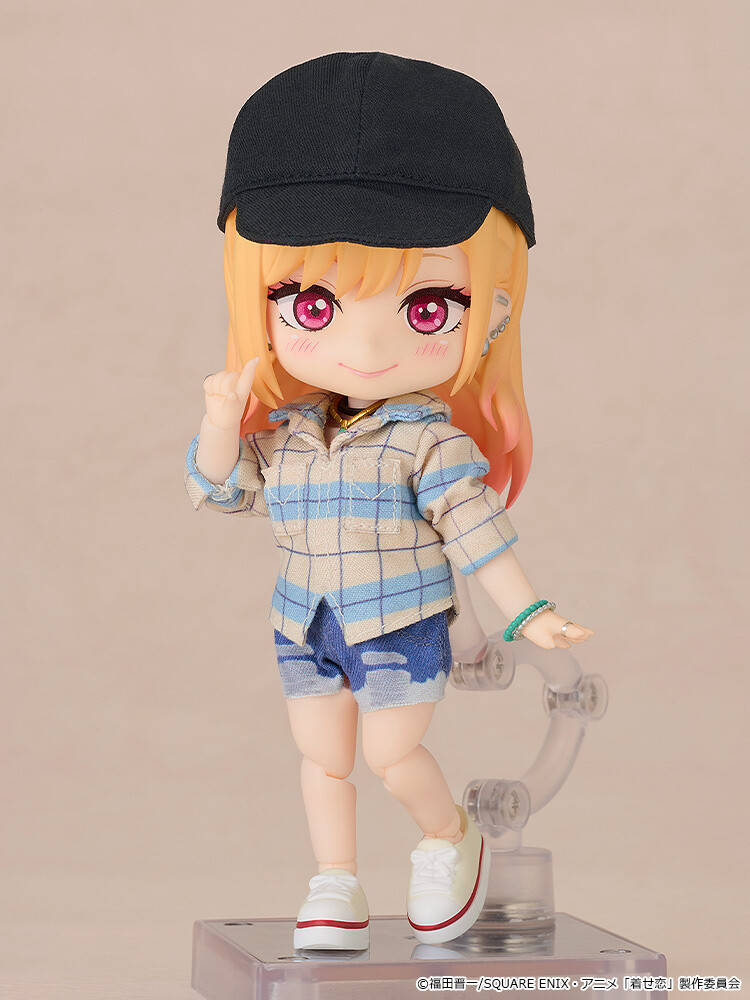
Introducing a Nendoroid Doll of Marin Kitagawa in her casual outfit!
From the anime series "My Dress-Up Darling" comes a Nendoroid Doll of Marin Kitagawa in her casual outfit!
The Nendoroid Doll series of palm-sized action figures feature the same heads as standard Nendoroids, but alternate doll-like bodies that are highly articulated and can easily be dressed-up into different outfits!
Be sure to add her to your collection!
*Skin tone of this Nendoroid Doll is a special color to match that of the original character.*
Torso stand not included.
*Displaying clothing on a figure for an extended period of time may result in color transfer to the figure body.*
*Please note that some Nendoroids, Nendoroid Dolls and outfits may not be compatible.*
Blue Archive Kayoko (Dress) 1/7 Scale Figure
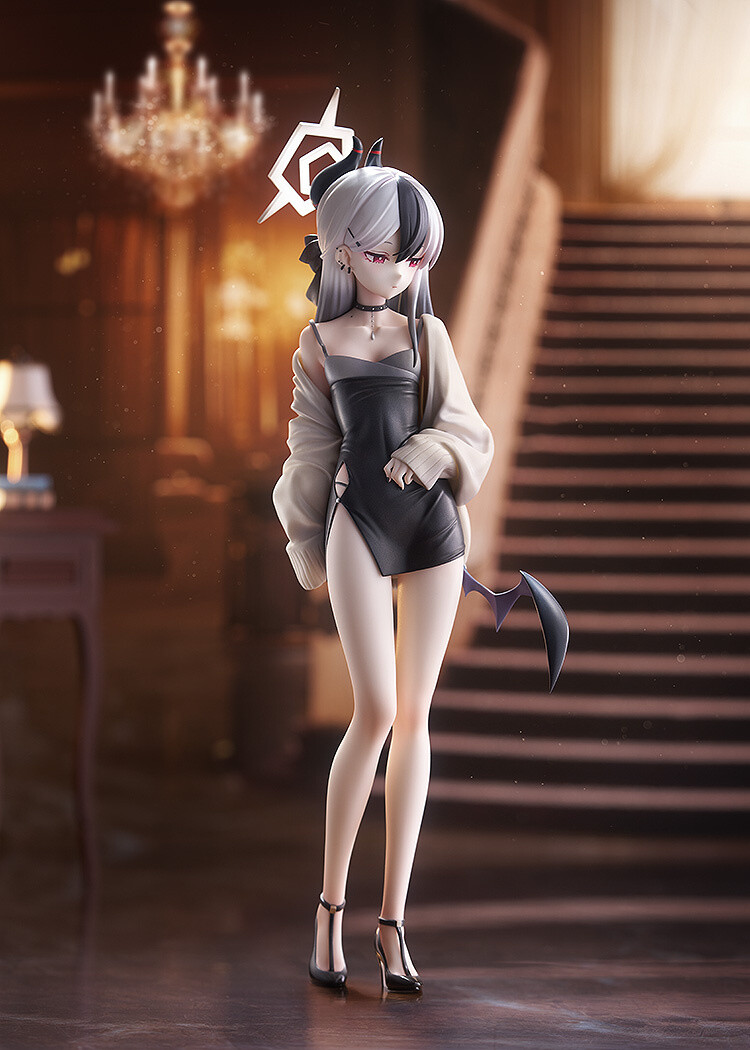
"If we're going to do it, we're doing it well."
From the popular game "Blue Archive" comes a 1/7 scale figure of Gehenna Academy's member of Problem Solver 68, Kayoko, in the lustrous dress she wore during an undercover mission. The figure retains Kayoko's typically calm and composed aura while showcasing a chic and delicate beauty that perfectly accentuates a special night out. The mature, sophisticated demeanor of the original artwork has been faithfully reproduced in figure form. From Kayoko's characteristic monochrome hair to her supple physique and halo, the meticulously crafted details of this figure are truly a sight to behold. Kayoko's outfit also features a form-fitting black dress that accentuates the body's curves paired with an oversized cardigan draped dramatically over one shoulder. The contrast in material textures is expressed through variations in glossiness and intricate painting, achieving a realism only possible with a figure. Also includes a soft smiling face replacement part. Don’t miss the chance to add this precious snapshot of Kayoko's downtime to your collection!
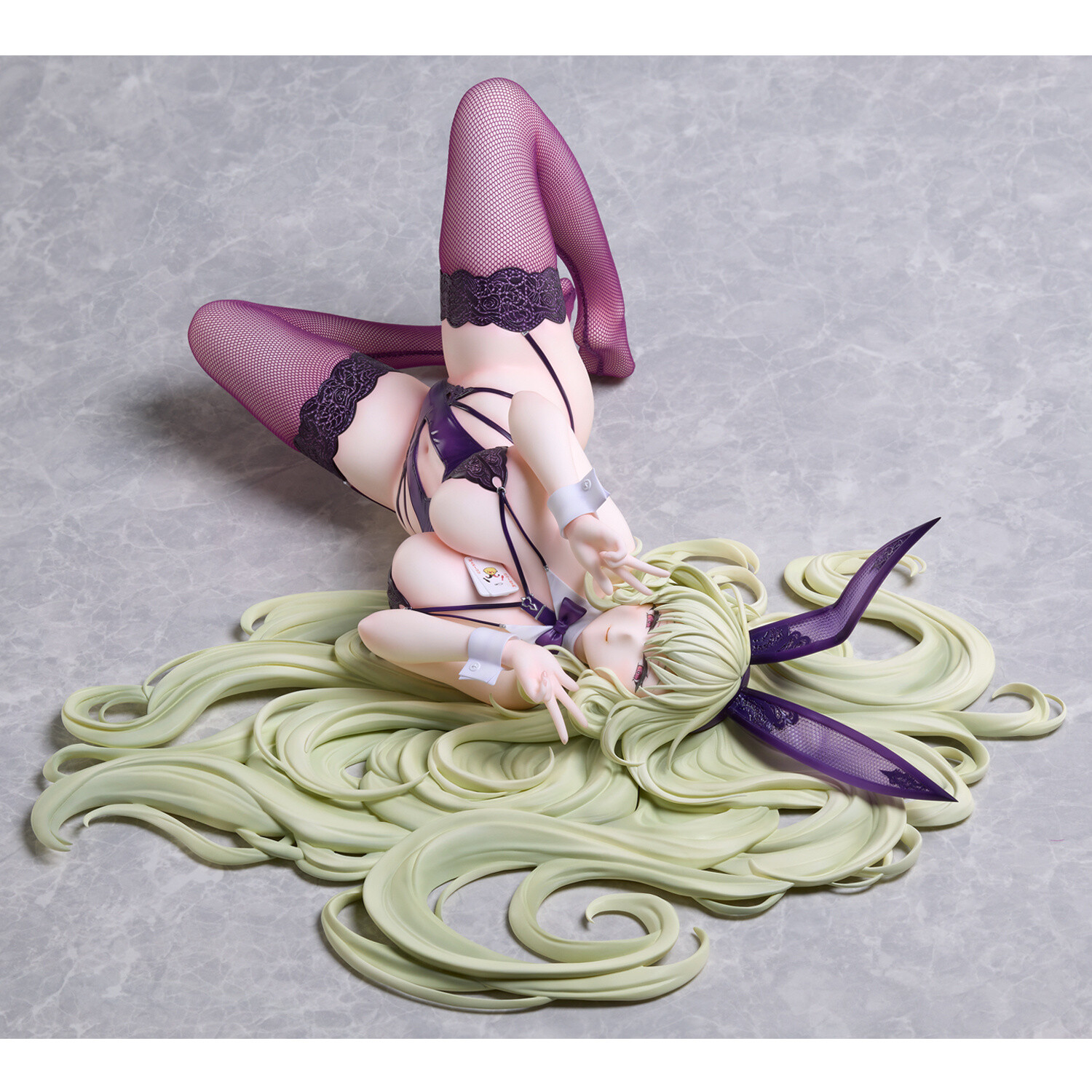
Rurudo Illustration Hatsune: Bunny Girl Ver. Limited Edition 1/6 Scale Figure
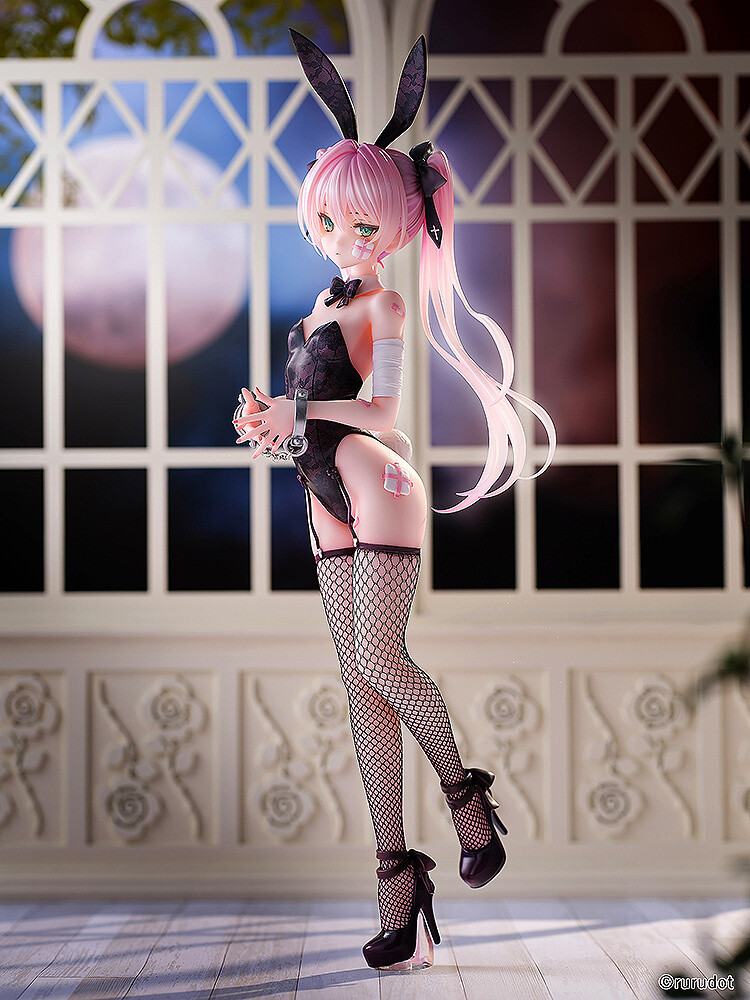
Renowned illustrator rurudo's original character "Hatsune" is now available as a 1/6 scale figure dressed in a captivating bunny girl outfit.
Renowned illustrator rurudo's original character "Hatsune" is now available as a 1/6 scale figure dressed in a captivating bunny girl outfit. The figure faithfully captures the illustration's aesthetic, featuring beautiful sculpting that blends delicate charm with mature allure. Hatsune's glossy bunny suit features a delicate floral lace pattern. Three-dimensional detailing and meticulous paintwork enhance its refined and glamorous appearance. Details unique to the 1/6‑scale figure—such as the stockings hugging Hatsune’s beautiful long legs and the soft, flowing movement of her hair—have been faithfully captured. The base of the figure features an original rabbit design that emphasizes the adorable appearance of the character. With its commanding presence, simply displaying this figure brings the world of the artwork to life in any space. With its translucent features and refined sculptural beauty, it is a must-have addition to any collection. The limited edition comes with an exclusive tapestry featuring a full‑body illustration created especially for this figure. The figure stands at nearly life‑size proportions, measuring 1870mm tall and 700mm wide. This is a truly special item that can only be obtained here.
Image is of a product currently in development. Actual product may differ.
Rurudo Illustration Hatsune: Bunny Girl Ver. 1/6 Scale Figure
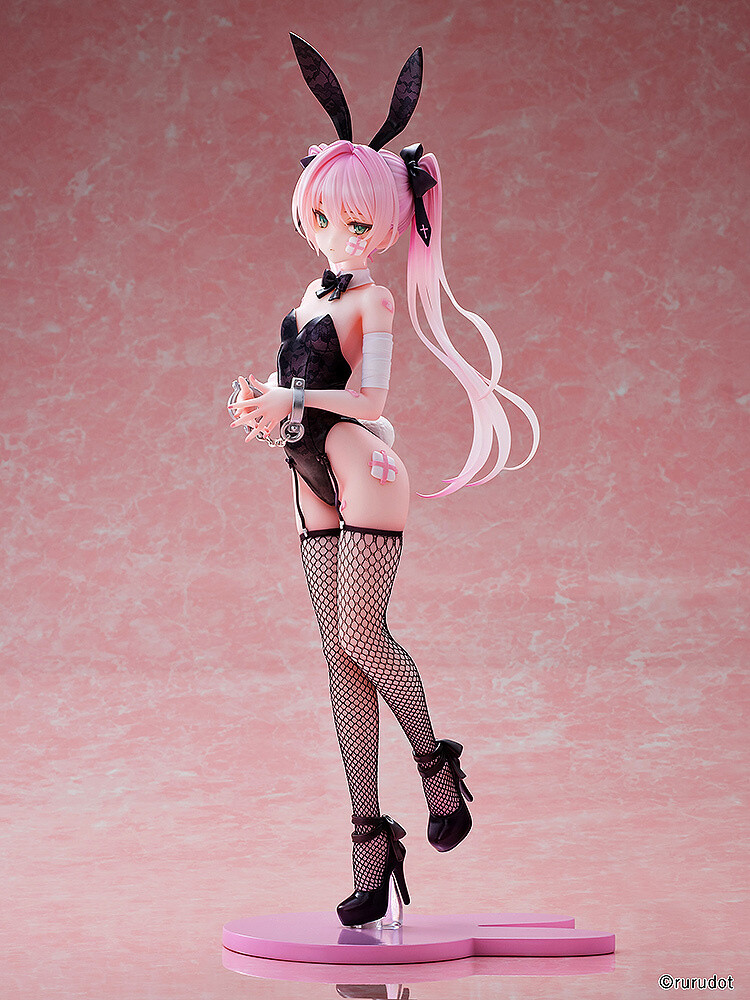
Renowned illustrator rurudo's original character "Hatsune" is now available as a 1/6 scale figure dressed in a captivating bunny girl outfit.
The figure faithfully captures the illustration's aesthetic, featuring beautiful sculpting that blends delicate charm with mature allure. Hatsune's glossy bunny suit features a delicate floral lace pattern. Three-dimensional detailing and meticulous paintwork enhance its refined and glamorous appearance. Details unique to the 1/6‑scale figure—such as the stockings hugging Hatsune’s beautiful long legs and the soft, flowing movement of her hair—have been faithfully captured. The base of the figure features an original rabbit design that emphasizes the adorable appearance of the character. With its commanding presence, simply displaying this figure brings the world of the artwork to life in any space. With its translucent features and refined sculptural beauty, it is a must-have addition to any collection.
Image is of a product currently in development. Actual product may differ.
Fate/Strange Fake Francesca Prelati 1/7 Scale Figure
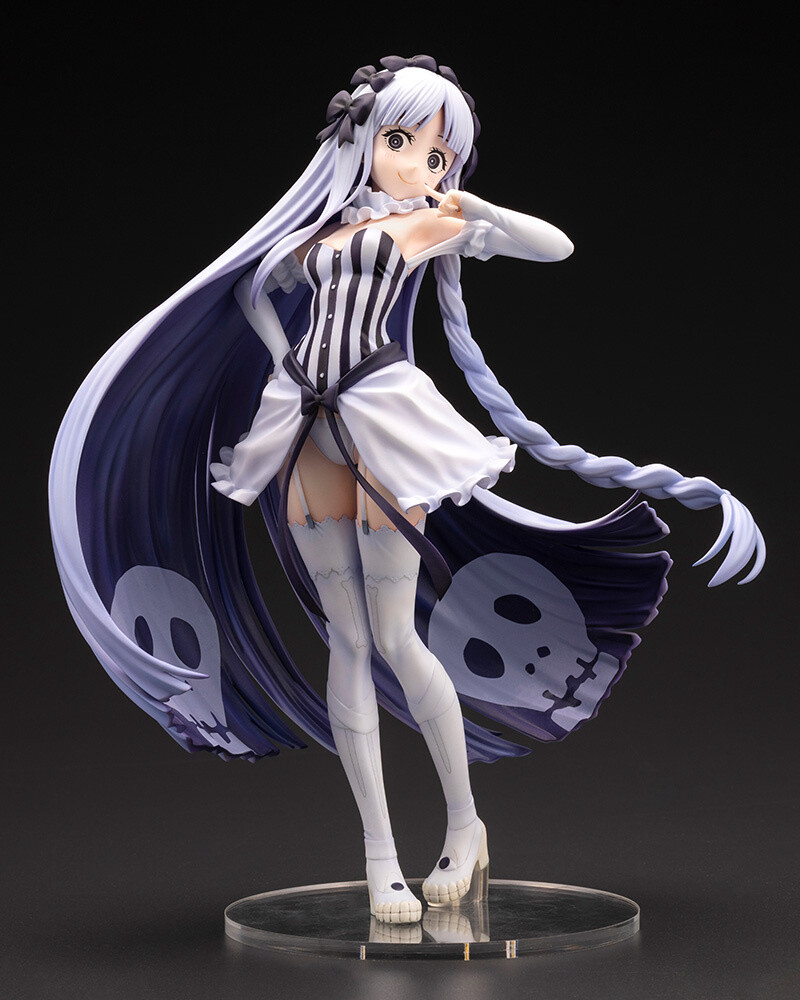
From the TV anime Fate/strange Fake, Francesca Prelati, the mysterious individual who operates behind the scenes in the Snowfield Holy Grail War, is brought to life as a 1/7 scale figure!
Her distinctive gothic lolita-style outfit is faithfully recreated! The soft-looking texture of the clothing and the fine detailing on the shoes are also noteworthy.
Her expression conveys a cute yet unsettling atmosphere.
Add this figure to your collection today!
Huggy Good Smile Honkai: Star Rail Spark Plushie
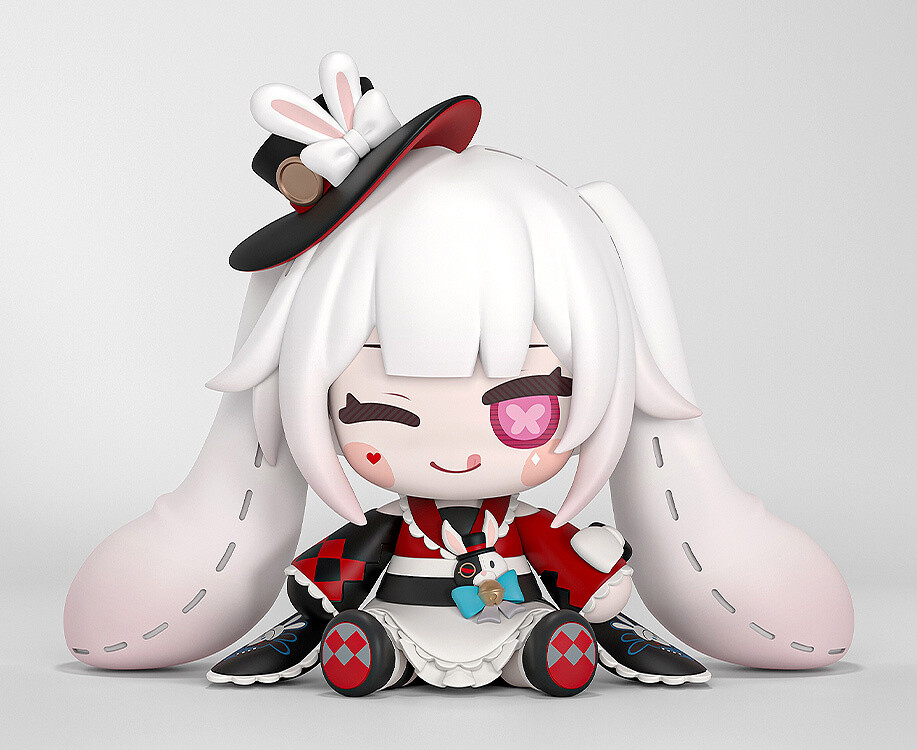
From the popular game "Honkai: Star Rail" comes Huggy Good Smile Spark Plushie!
Huggy Good Smile is a new chibi figure series. A magnet is mounted on the head, and the arms of the figure can be moved up and down to pose it.
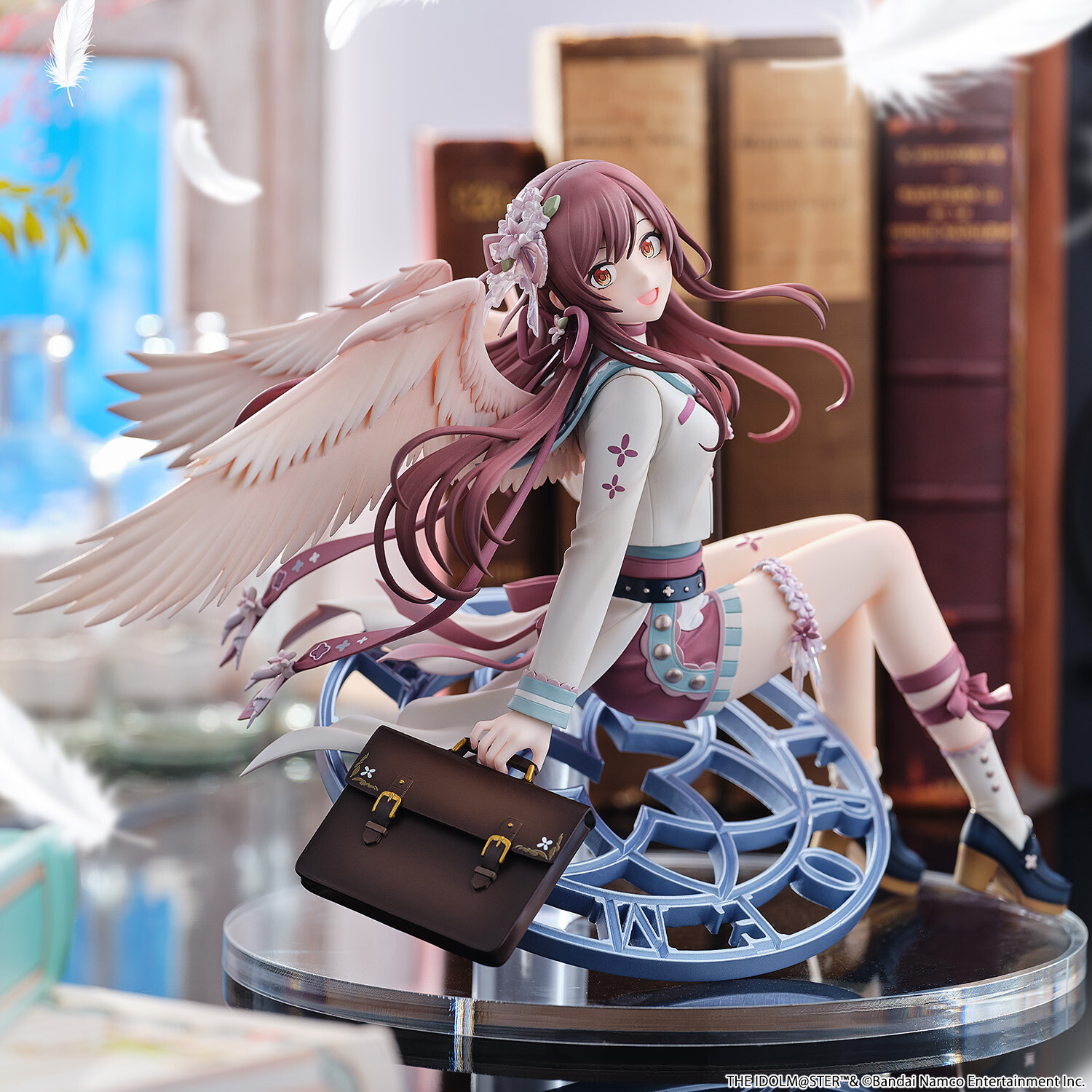
The Idolm@ster: Shiny Colors Amana Osaki: Gardienne Tourmaline Ver. 1/6 Scale Figure
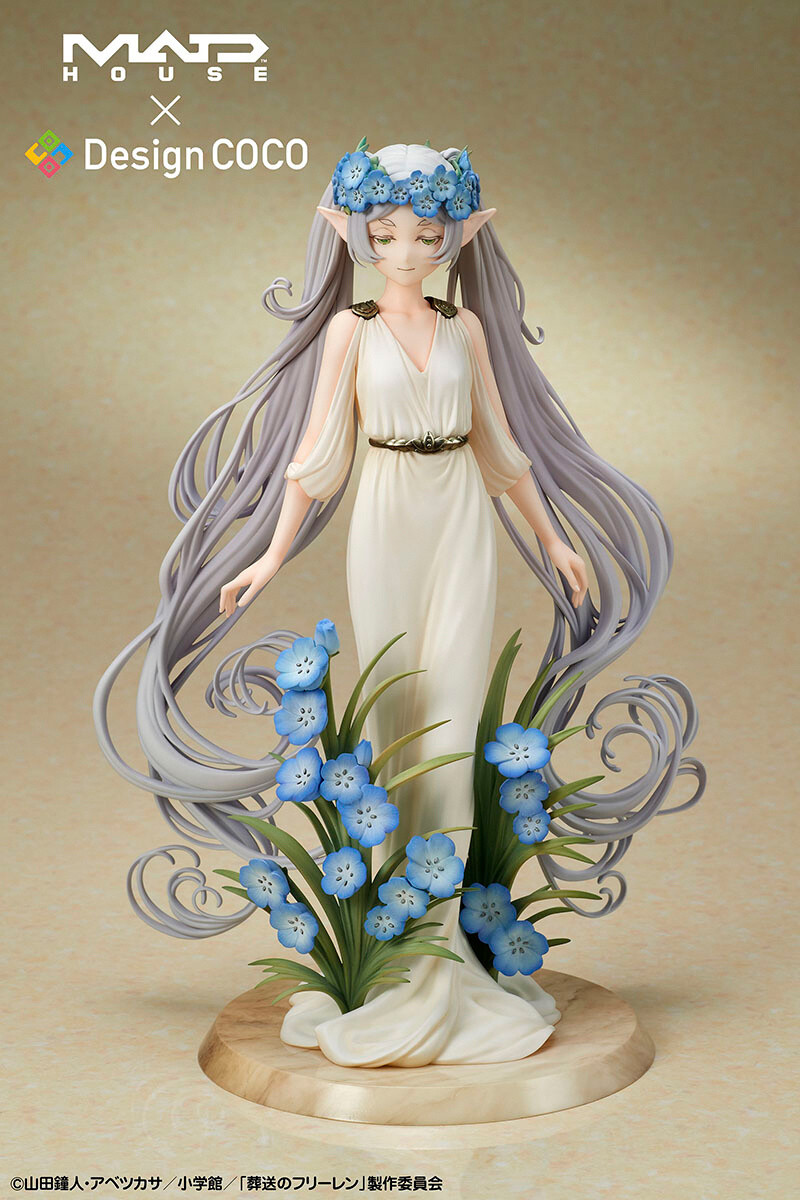
MADHOUSE x DesignCOCO Frieren: Beyond Journey's End Frieren Art Nouveau Style 1/7 Scale Figure
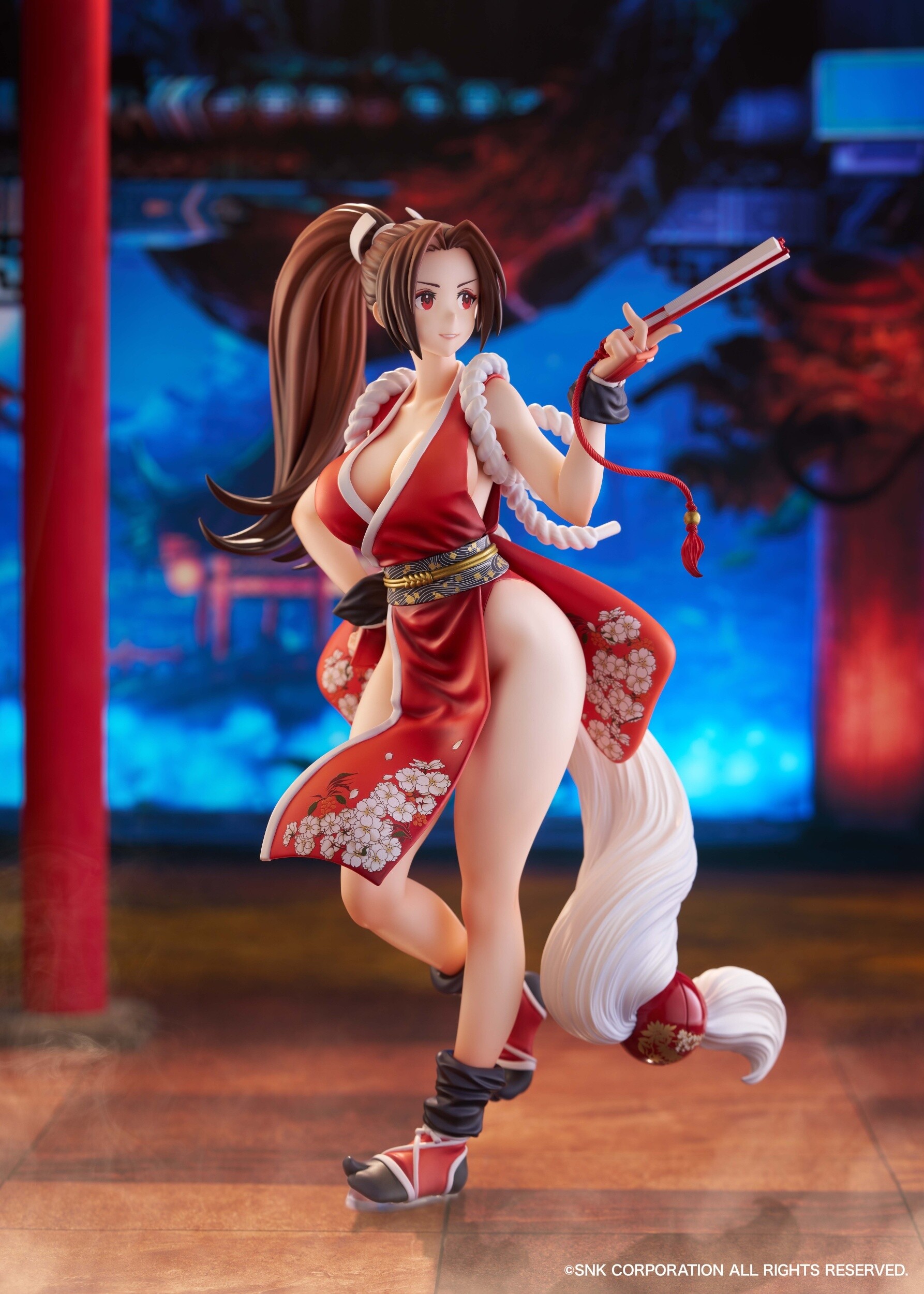
Fighting Girls Collection The King of Fighters XV Mai Shiranui 1/7 Scale Figure
Nendoroid Hatsune Miku V3 (Re-run)
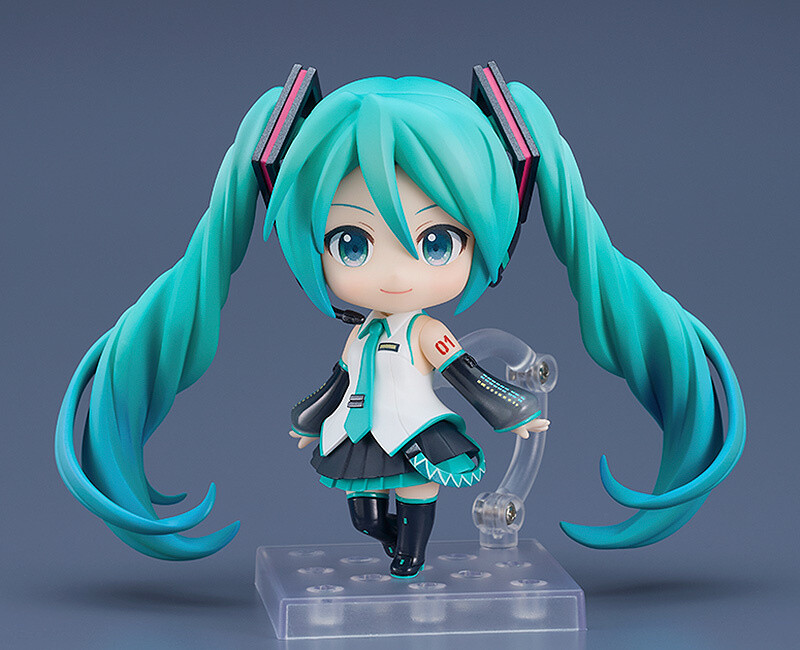
A more expressive, freer singing voice.
Hatsune Miku V3, who can sing any genre of music you wish, is now a Nendoroid!
Blue Archive Sakurako (Pop Idol) 1/7 Scale Figure
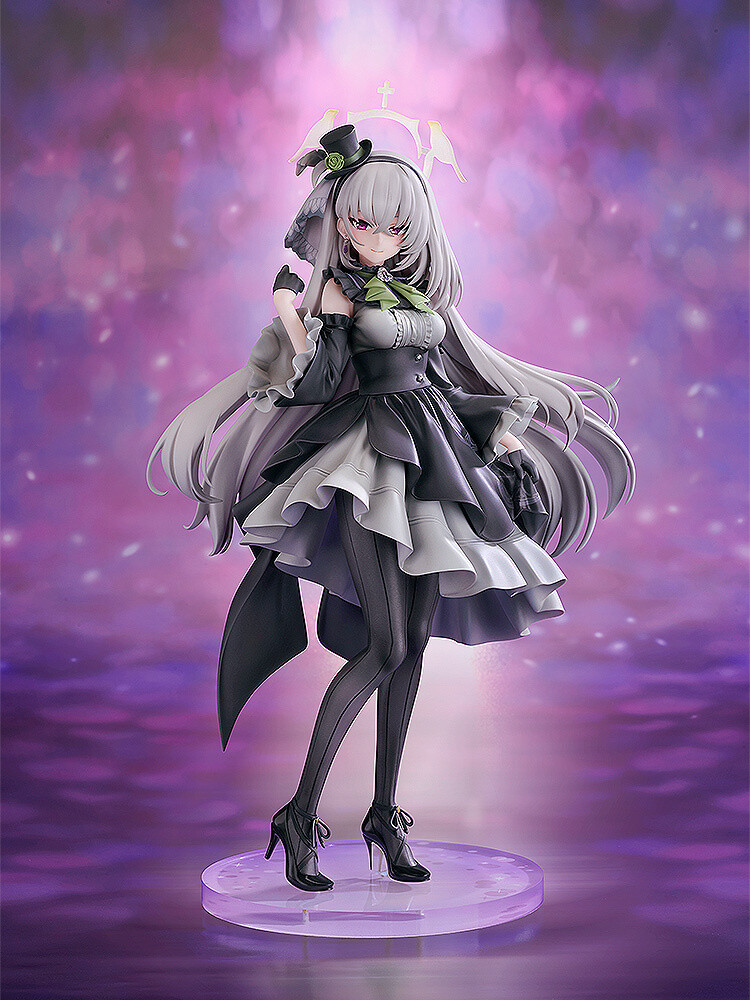
"Heehee, are you surprised? Right now, I've surely changed from my past self."
From the popular game "Blue Archive" comes a scale figure of Sakurako, a member of Trinity General School's Sisterhood, in her pop idol outfit! The figure features the member of the idol group "Antique Seraphim", performing on stage in a special outfit. Her chic monochrome outfit has been carefully recreated with attention to the soft texture of fabric, including the skirt’s gracefully flowing drapes. Decorations such as the frills and mini hat have also been meticulously sculpted down to the smallest details. Her gentle, intelligent charm is expressed through her bright smile, while her softly flowing long hair adds an extra touch of elegance. Be sure to enjoy this special moment with Sakurako as she shines on stage.
{pagebreak}
Pop Up Parade Clannad Nagisa Furukawa L Size
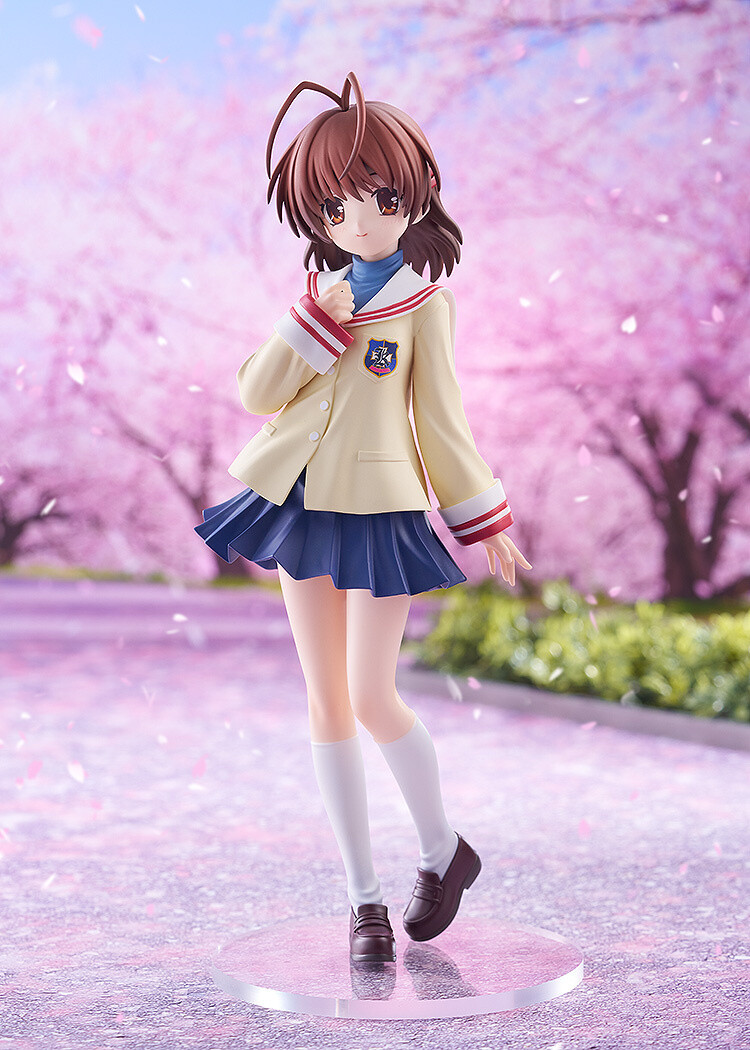
With the same impact as a scale figure!
POP UP PARADE is bringing figure fans a brand new sense of excitement with the L line.
Nendoroid Danganronpa V3: Killing Harmony Kaede Akamatsu
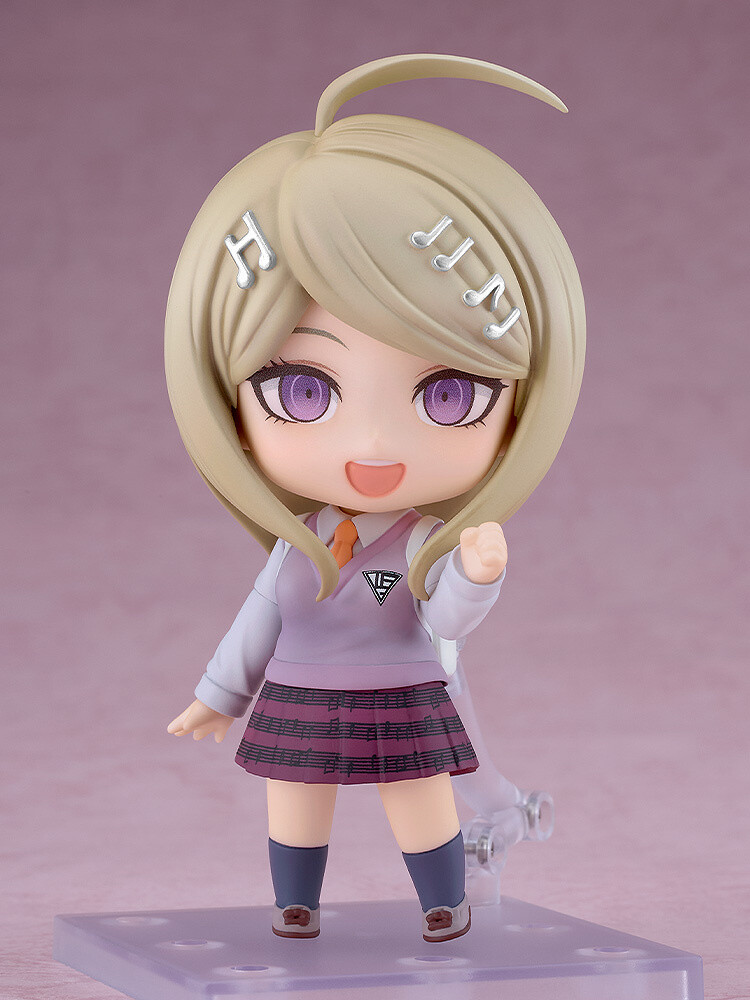
"Nice to meet...me. I'm the protagonist of this crazy story."
From the hit game "Danganronpa V3: Killing Harmony" comes a Nendoroid of the Ultimate Pianist, Kaede Akamatsu!
Nendoroid Milky Subway: The Galactic Limited Express Makina
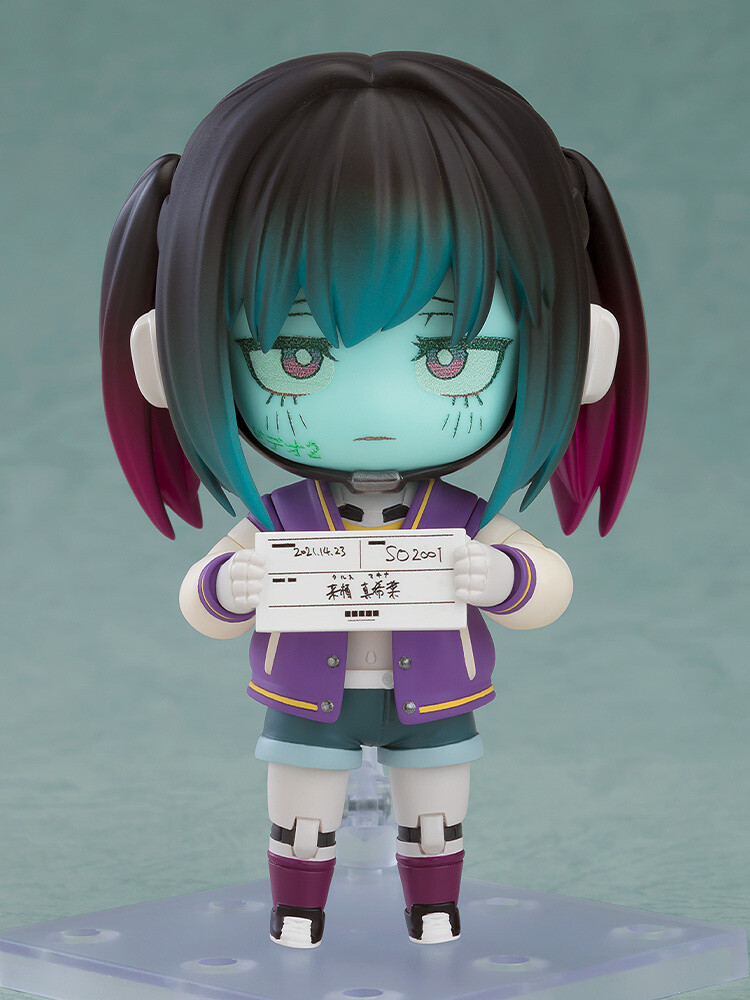
"No one's going to get shot!"
From the animated series "MILKY☆SUBWAY THE GALACTIC LIMITED EXPRESS" comes a Nendoroid of Makina!
Nendoroid Puella Magi Madoka Magica the Movie Homura Akemi: Walpurgisnacht: Rising Ver. -Basic-
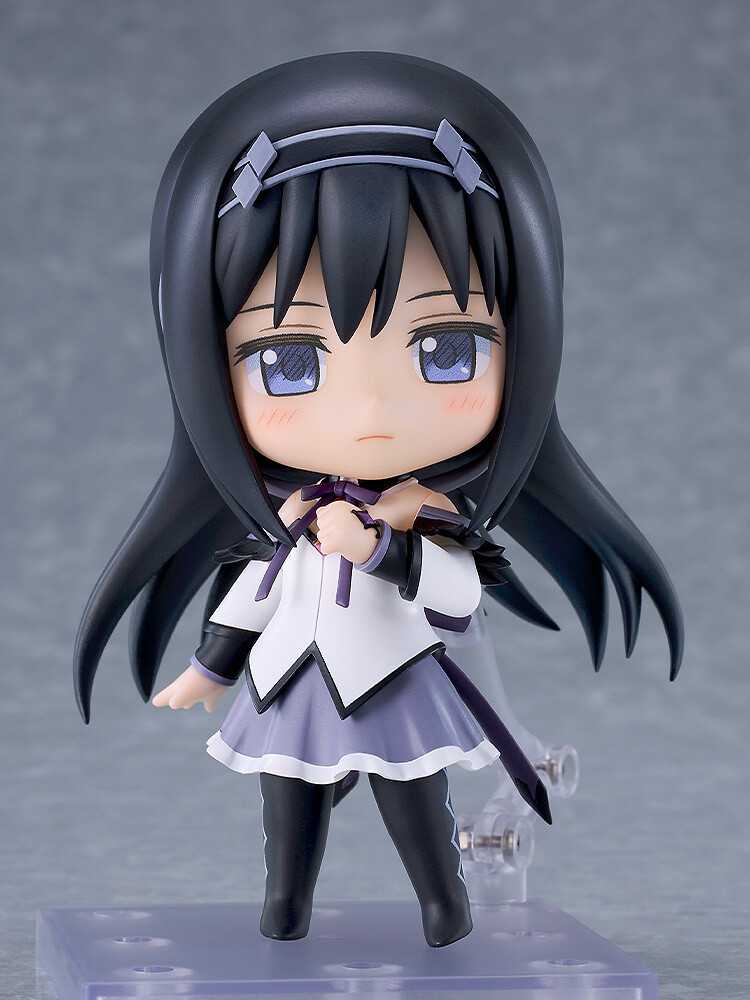
The sequel to "-Rebellion-"—and a new beginning.
From "Puella Magi Madoka Magica the Movie -Walpurgisnacht: Rising-" comes a Nendoroid [Basic] of Homura Akemi!
What is Nendoroid [Basic]?
Nendoroid [Basic] is a lineup of Nendoroids that omit face plates and optional parts, resulting in more affordability and faster production!
They feature the same functionality as regular Nendoroids, allowing them to share interchangeable hand parts, leg parts, head parts and face plates with other Nendoroids!
Nendoroid The Legend of Hei II Luye
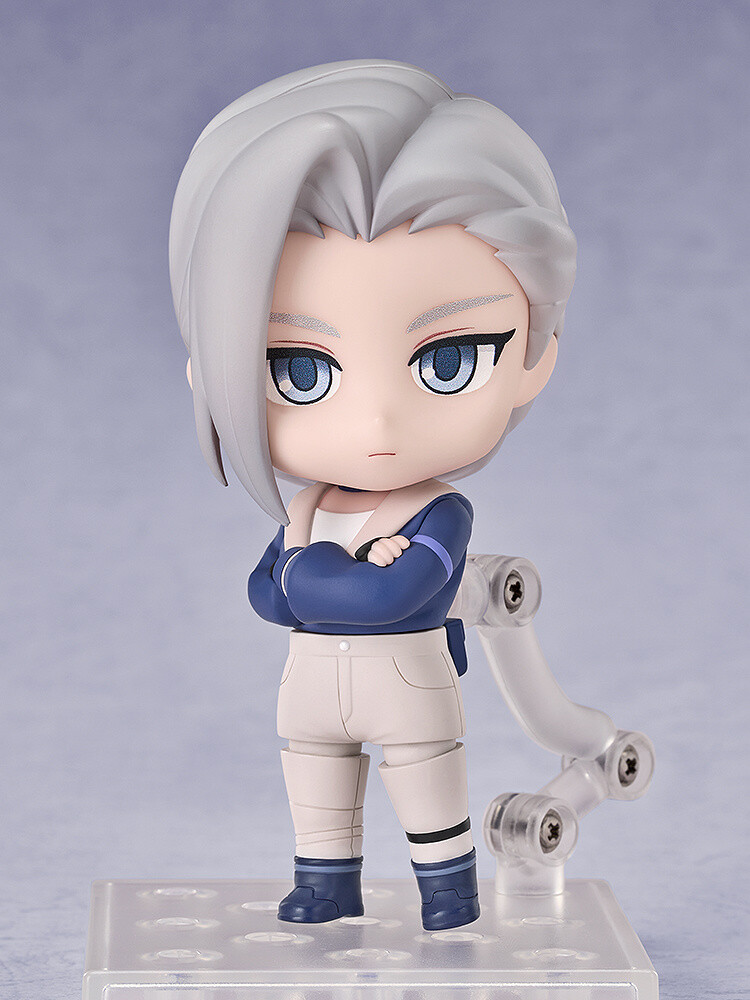
"I'm not a human. I'm an Elfin Executor."
From the animated film "The Legend of Hei II" comes a Nendoroid of the Elfin Executor Luye!
Food Wars! Shokugeki no Soma Alice Nakiri: Bikini Bunny Ver. 1/4 Scale Figure
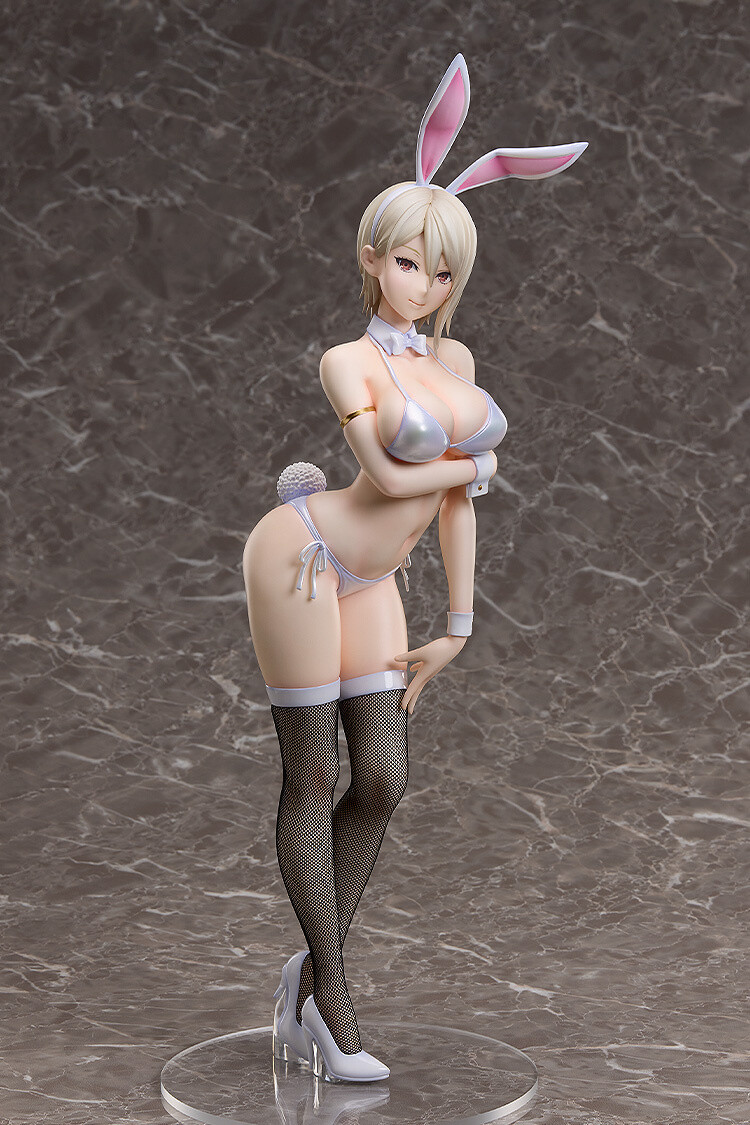
Presenting the natural-born beauty Alice Nakiri in a bikini bunny outfit!
From "Food Wars! Shokugeki no Soma" comes a bikini bunny figure of Alice Nakiri! The figure features an even more revealing version of Alice, in a bikini. Don't miss her cool and composed expression, either! The figure also features real net tights for a realistic look and feel. Display this impressive 1/4 scale version of Alice alongside Rindo Kobayashi: Bikini Bunny Ver. and Erina Nakiri: Bikini Bunny Ver., also available for preorder now.
Unicorn Overlord Rosalinde 1/6 Scale Figure
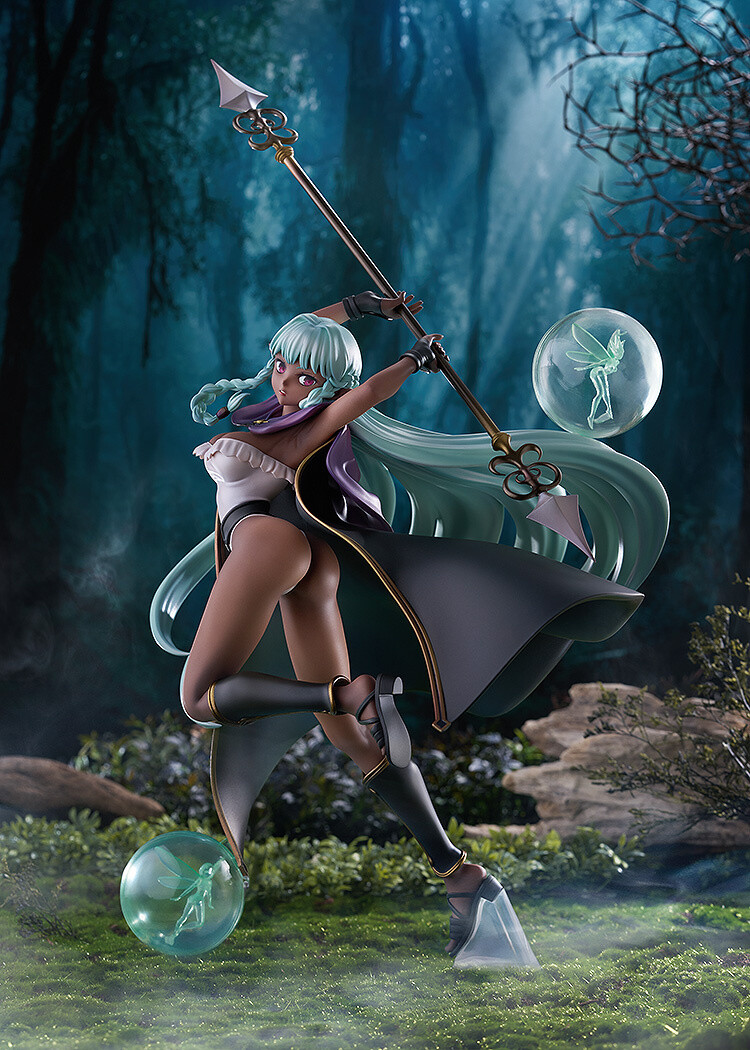
"Let's focus up and get going."
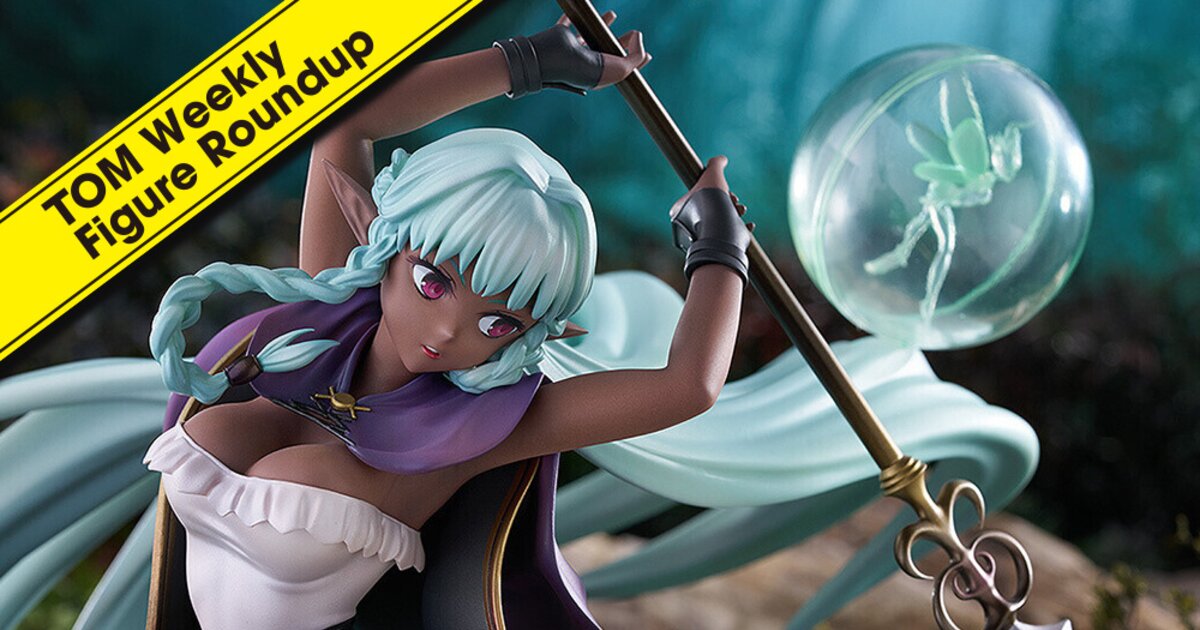
From "Unicorn Overlord" by Atlus x Vanillawear comes a 1/6 scale figure of Rosalinde! Rosalinde has been captured in a dynamic action pose, seemingly suspended in mid‑air as she glides across the battlefield with a resolute expression. The sweeping motion of her raised spear, paired with the flowing movement of her long hair and cloak, creates a strong sense of depth that enhances the figure's striking three‑dimensional presence. Rosalinde's body is sculpted with a gentle S‑curve, balancing her graceful poise with a sense of combat readiness. Careful attention has been paid to the angle of her legs and center of gravity, resulting in proportions that look flawless from any angle. Material textures such as the frills and decorations on Rosalinde's outfit, the metallic look of her spear, and the translucent mold of her fairy have all been carefully recreated to heighten the figure's level of detail. Be sure to add this impressive rendition of Rosalinde, enjoyable from any angle, to your collection today!
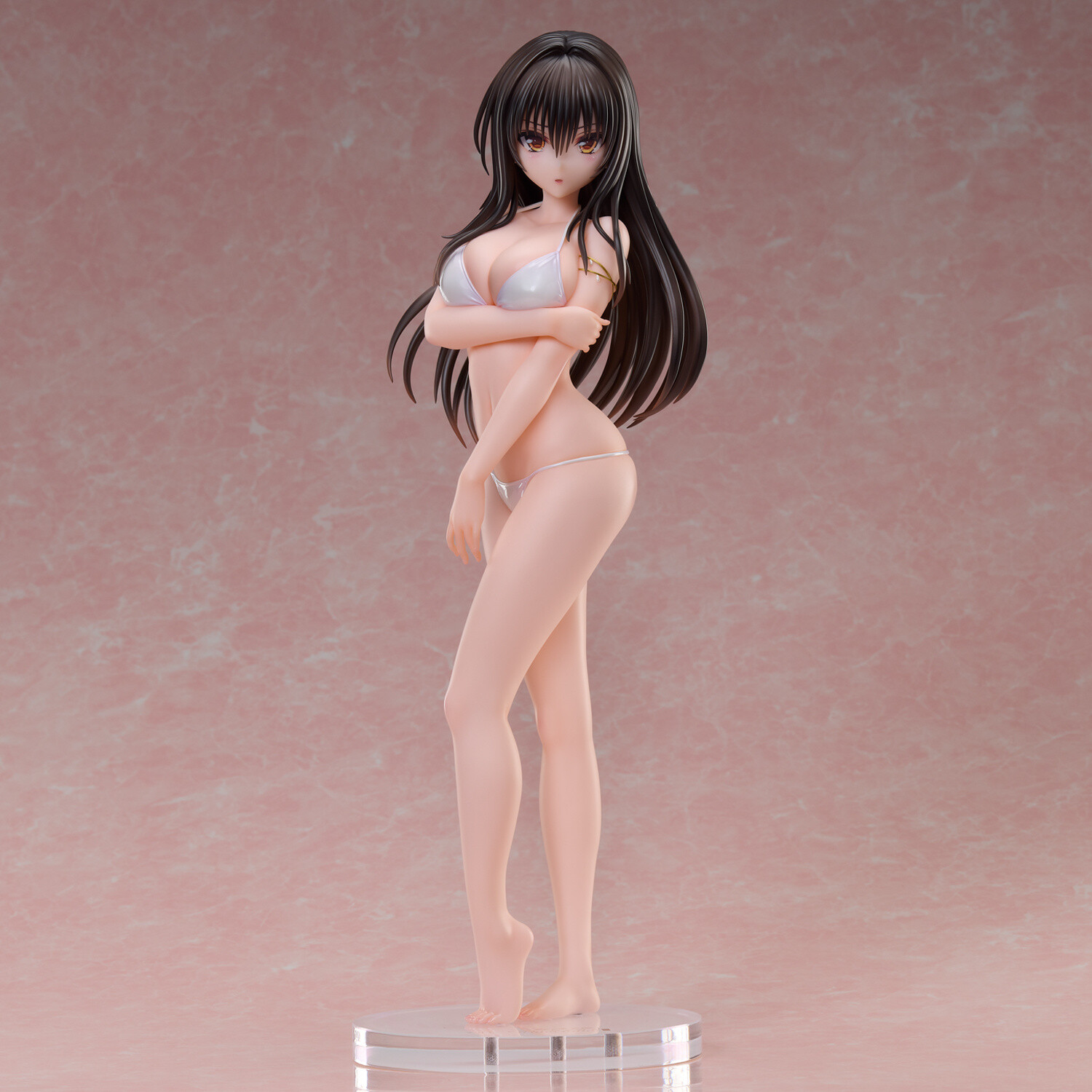
To Love-Ru Darkness Yui Kotegawa: Swimsuit Muse Color Ver. 1/4 Scale Figure
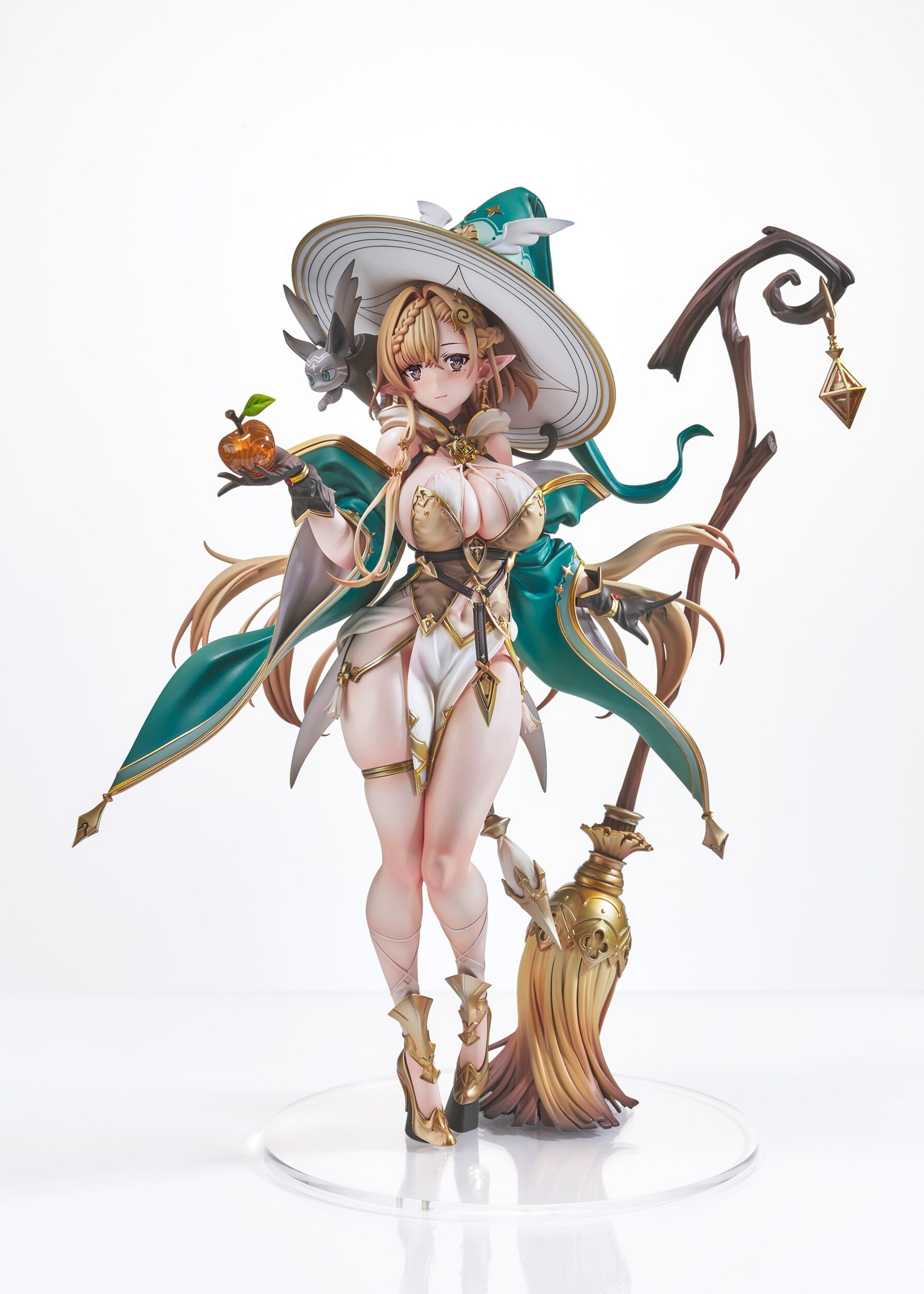
Elf Village 18th Villager Hazel 1/6 Scale Figure
SNK Bishoujo The King of Fighters XV Yuri Sakazaki
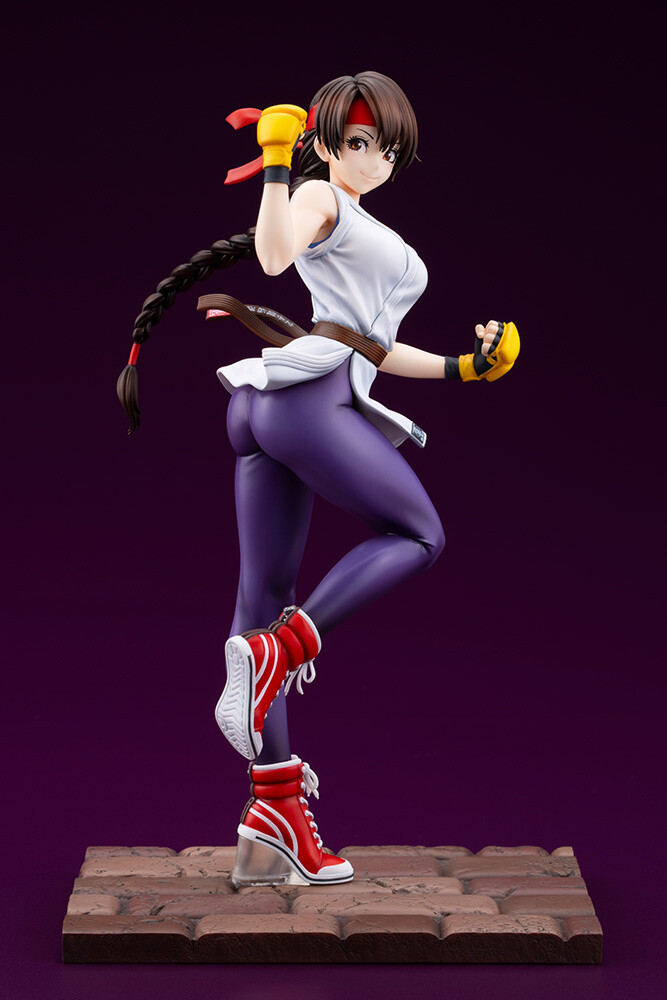
Joining the BISHOUJO series is Yuri Sakazaki from the fighting game THE KING OF FIGHTERS XV!
The white gi wrapped around her chest and characteristic tights highlight her beautiful form!
This statue can be thoroughly enjoyed from any angle and will stand out no matter where it is placed!
Dive in and immerse yourself in the world of The King of Fighters, available on nearly all platforms, including consoles, mobile, and PC, with this figure!
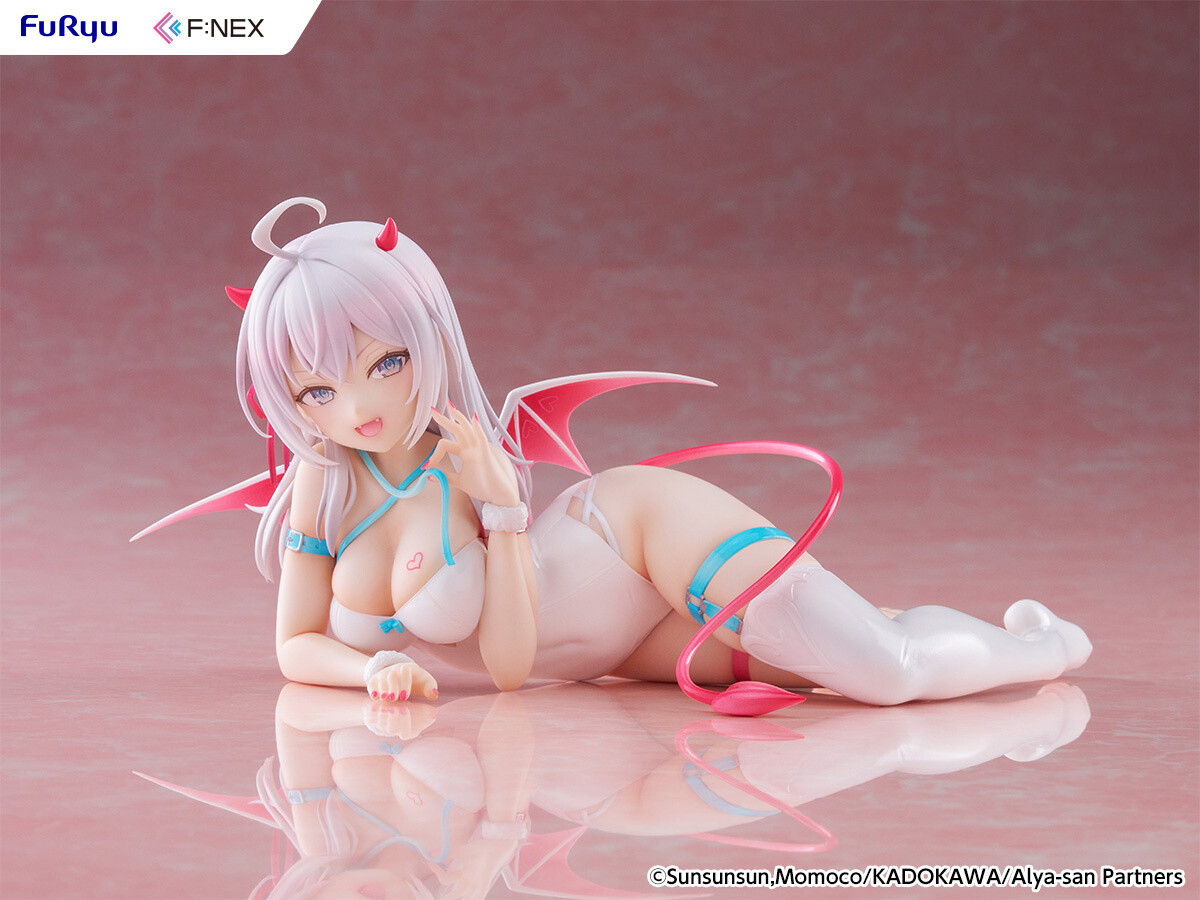
Alya Sometimes Hides Her Feelings in Russian Alya: Succubus Ver. 1/7 Scale Figure
from Tokyo Otaku Mode News https://ift.tt/tm3uosP
Weekly Figure Roundup: 15 Mar, 2026 to 21 Mar, 2026
Greetings, fellow collectors! As Japan welcomes the gentle breezes of early spring and the excitement for White Day builds, we're thrilled to present the latest additions arriving at our store between March 8th and March 14th, 2026. This week, we're ecstatic to unveil 24 dazzling new bishoujo figures, carefully selected from your most beloved anime, manga, and video game worlds. Each meticulously crafted beauty is poised to bring even more charm and vibrant personality to your display shelves. Perhaps these kawaii heroines are the ideal "thank you" gift for yourself, or a sweet surprise for another treasured otaku, just in time for March 14th! Prepare to be enchanted by these stunning releases, and get ready to add the next fan-favorite gem to your collection! ✨
※ Please note that some products may be unavailable in selected regions.
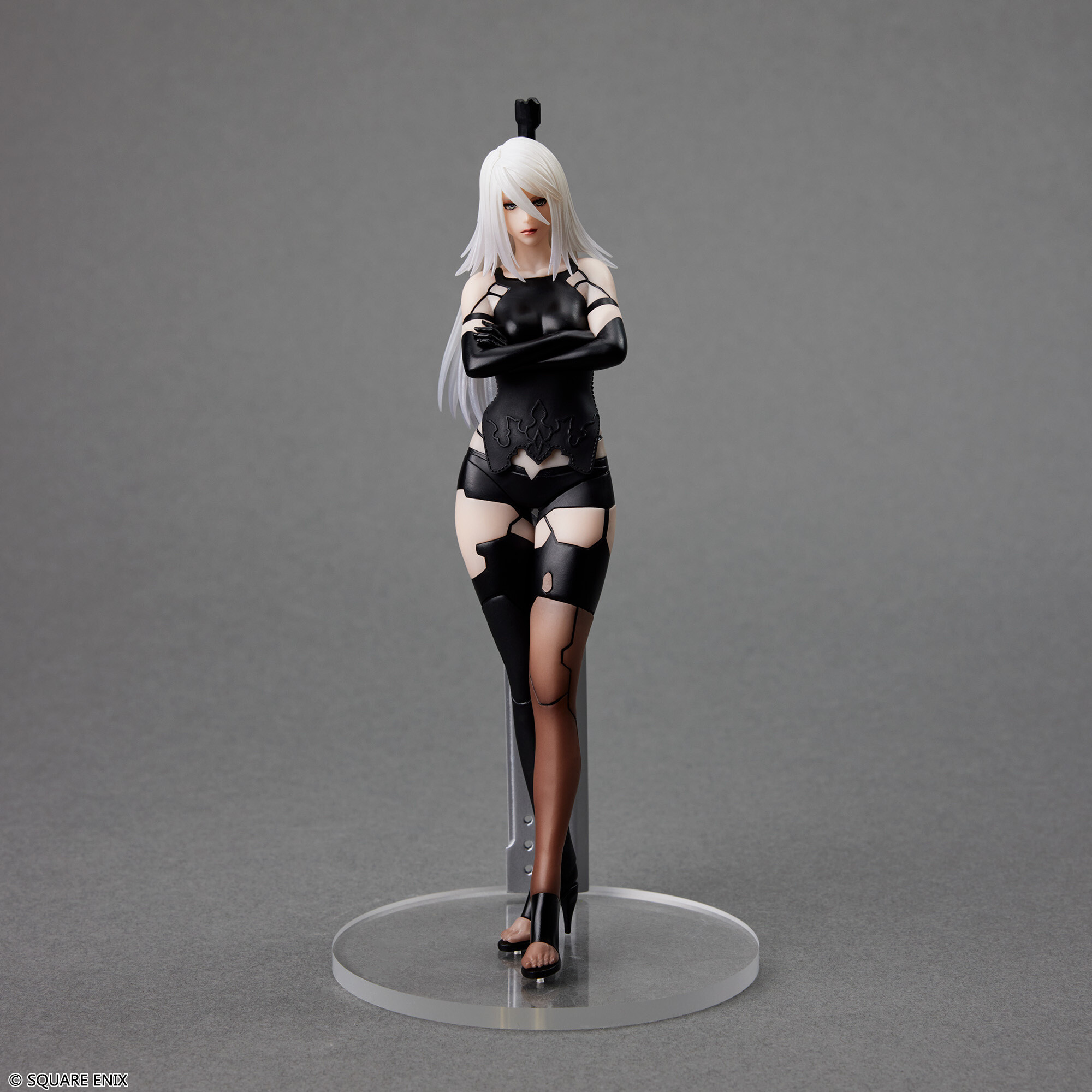
FORM-ISM NieR: Automata A2 (YoRHa Type A No. 2) (Re-run)
FORM-ISM NieR: Automata 2B (YoRHa No. 2 Type B) (Re-run)
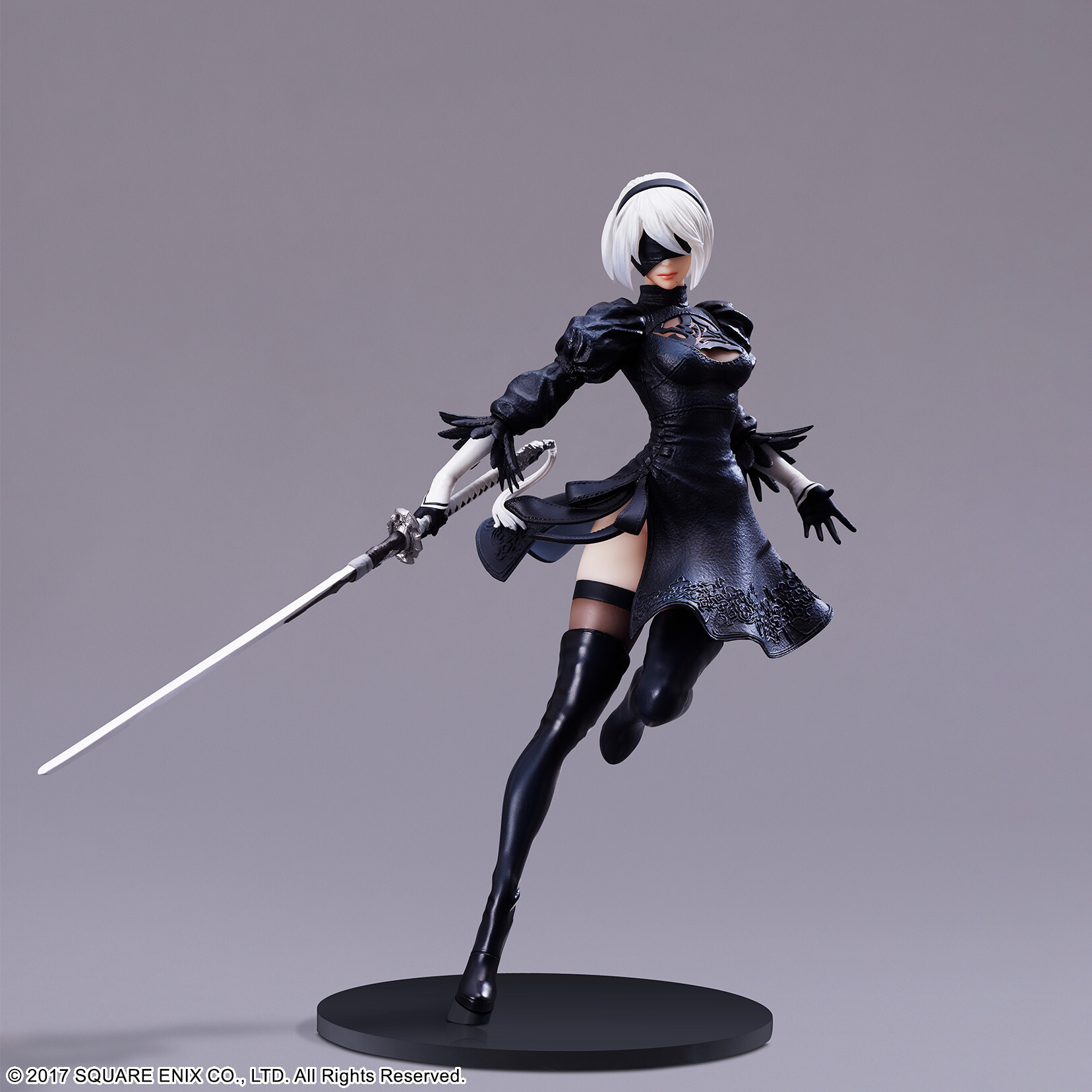
Presenting a new figure line, FORM-ISM from Square Enix.
This is a new line of figurines that feature a diverse range of forms and styles. These sculptures are designed to be displayed in various directions.
From NieR:Automata, 2B (YoRHha No. 2 Type B) comes the first entry in the FORM-ISM series. The figure is sculpted with goggles on, allowing you to enjoy the ever iconic 2B.
Honor of Kings Xishi: You Long Qing Ying Ver. 1/6 Scale Figure
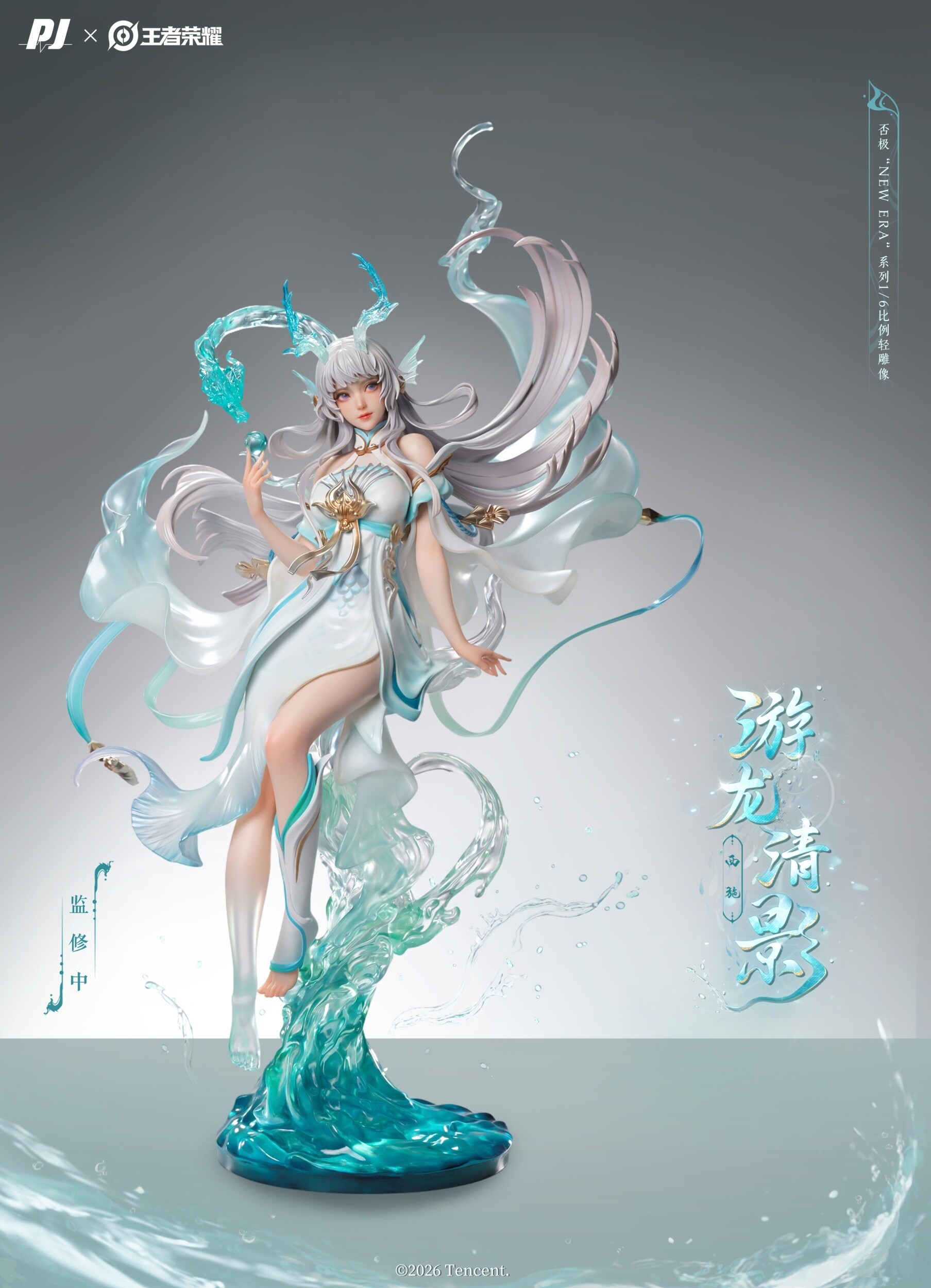
Under the collaboration between PIJI and the popular Chinese smartphone game "Honor of Kings," the character Xi Shi is now available as a 1/6 scale figure in her character outfit "YOU LONG QING YING"! Her long silver-gray hair flows elegantly like wind and water. The detailed sculpting perfectly captures her magical look, including her dragon-like horns and her glowing pearl.
At her feet, swirling water effects and a wave-themed base recreate the movement of a dragon dancing on the water with beautiful, see-through colors.
Make sure not to miss out on this masterpiece!
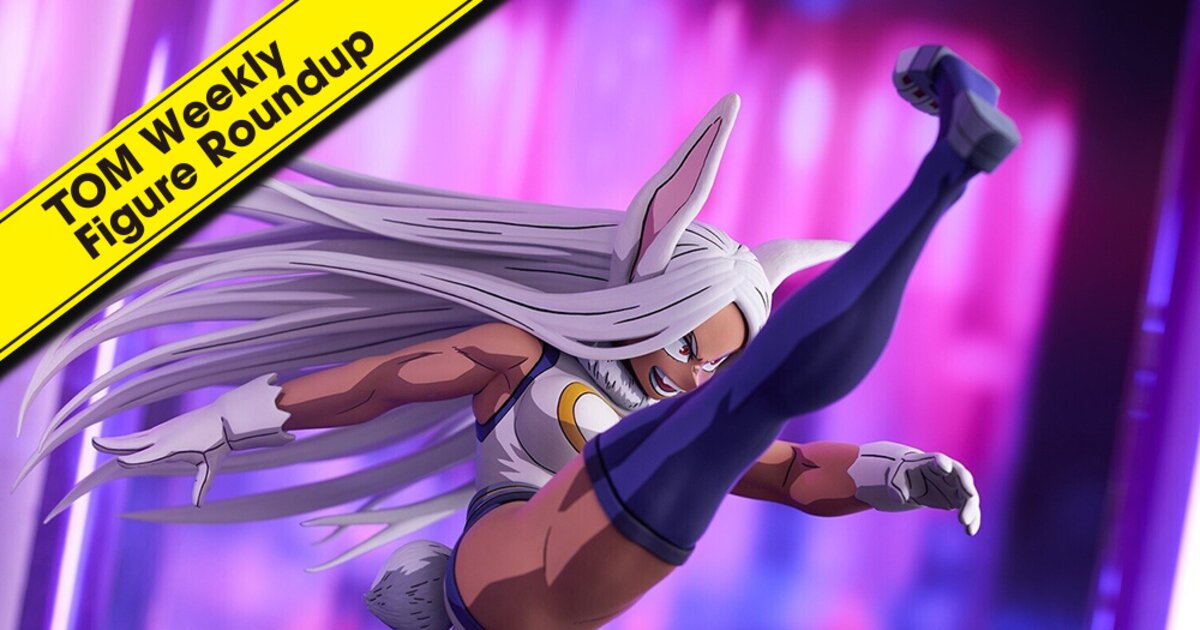
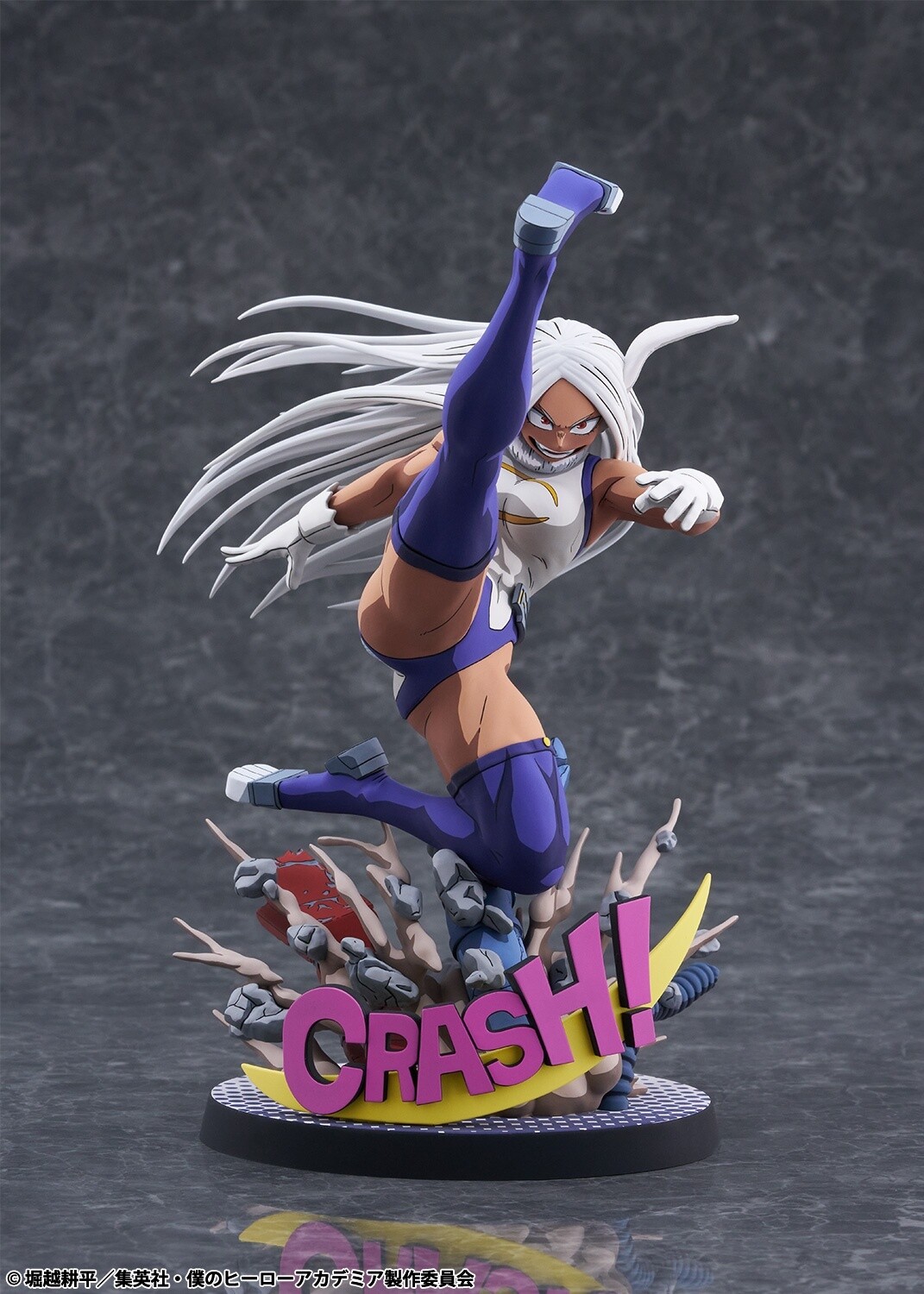
My Hero Academia Mirko: Hero Suit 2D Ver. 1/8 Scale Figure
Prisma Wing Is the Order a Rabbit? BLOOM Chino 1/7 Scale Figure
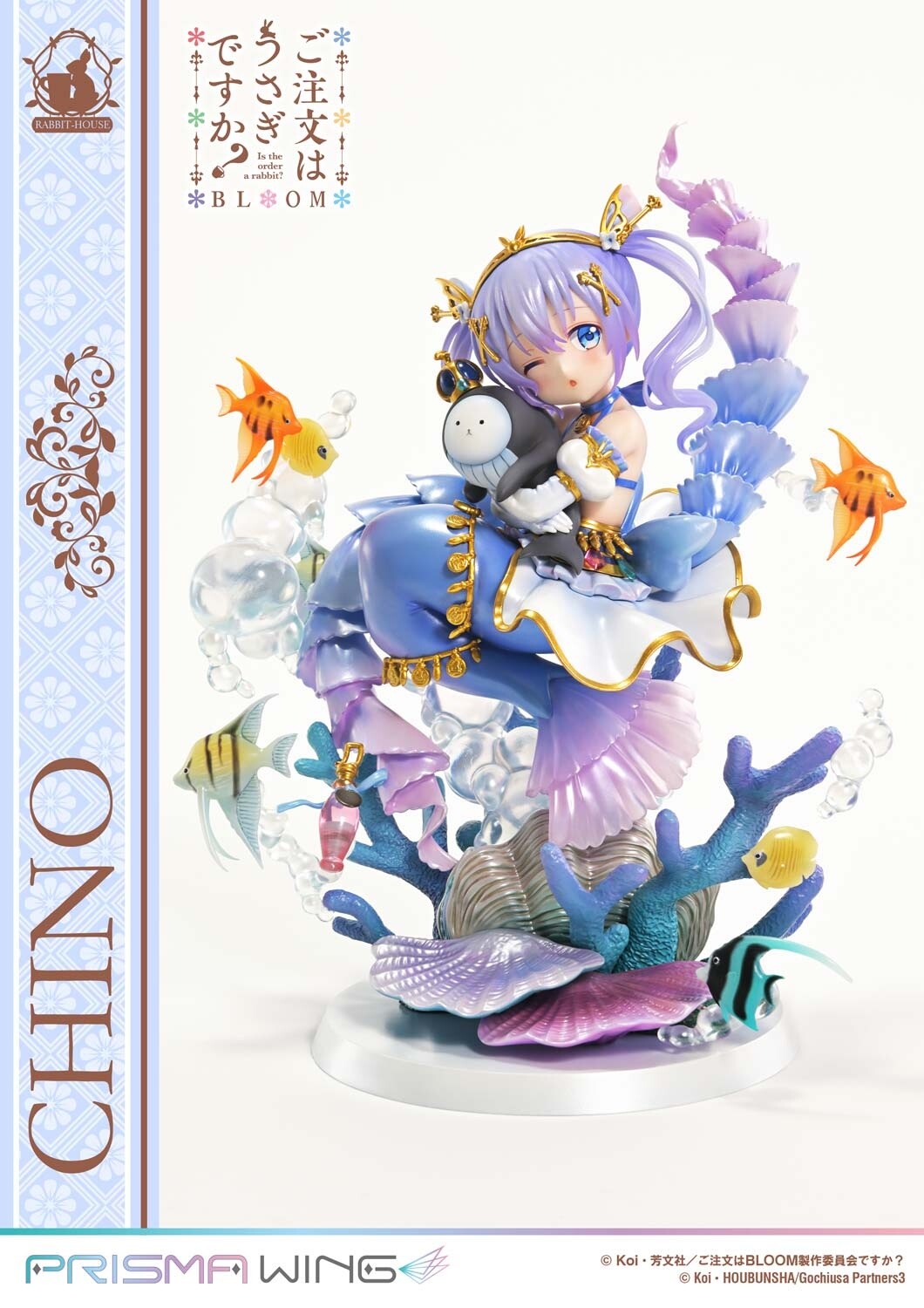
A Cool and Adorable Little Mermaid. The Storybook Illustration of “Chino” Makes Its Figure Debut.
From “Is the Order a Rabbit? BLOOM,” the storybook-style illustration of “Chino,” inspired by a little mermaid, has been brought to life as a figure for the very first time. From her gentle facial expression and carefully composed pose to the vividly colored undersea world that surrounds her, every detail has been meticulously sculpted. Showcasing a fairytale-inspired look rarely seen in her usually cool demeanor, this figure presents “Chino” in full bloom of charming sweetness.
Hair Color and Skin Tone That Highlight Her Innocent Charm
Cradling Tippy close and pressing her cheek against him, Chino’s innocent gesture is captured with delicate nuance. The softness that appears on her expression is further enhanced by translucent hair coloring and carefully balanced skin tones.
A Pearl-Finished Dress That Creates a Pure and Elegant Impression
The dress, based on a palette of white and blue, features a pearl-finished sheen that enhances its pure and elegant impression. The gold accents are rendered in refined tones, adding elegance without appearing overly ornate.
A Special Coral Reef Base That Evokes the Colors of the Sea and a Sense of Floating
The specially designed base is inspired by a vividly colored coral reef. Elements from the illustration, such as swimming fish and rising bubbles, are carefully incorporated to convey the colors of the sea and a sense of buoyant motion.
Danganronpa 2: Goodbye Despair Chiaki Nanami 1/8 Scale Figure (Re-run)
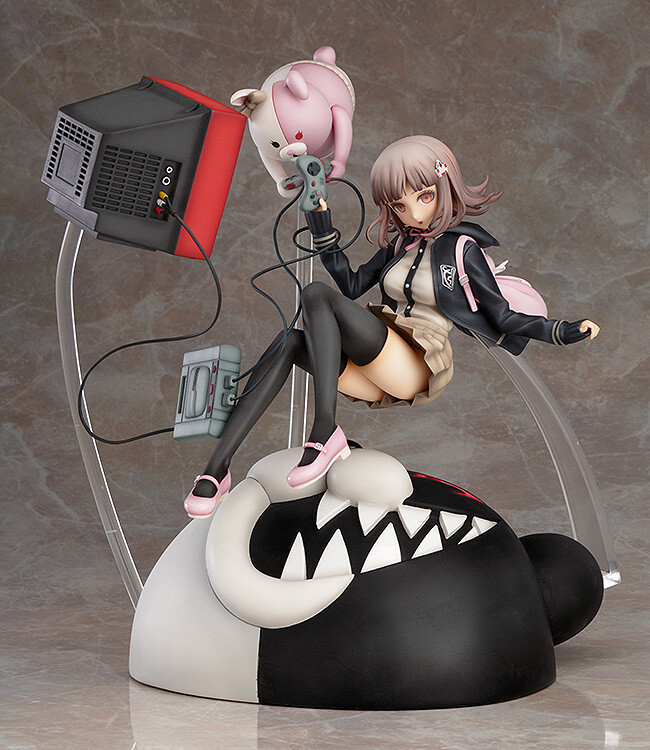
A figure of Chiaki Nanami! This is without a doubt 100 MEGA SHOCK!
From 'Danganronpa 2: Goodbye Despair' comes a second rerelease of the 1/8th scale figure of the "Super Duper Gamer" Chiaki Nanami! She is posed with Monomi by her side as she plays on her gaming console, all sculpted as if floating in the air.
Her expression, pose and intricate detail on even the smallest parts such as the controller have all been carefully sculpted to bring out Chiaki's character. The base of the figure is made to look like Monokuma's head, as if chasing the two of them as they float above him - bringing out the Danganronpa universe for fans to enjoy!
Nendoroid Cardcaptor Sakura: Clear Card Sakura Kinomoto: Tomoeda Junior High Uniform Ver. (Re-run)
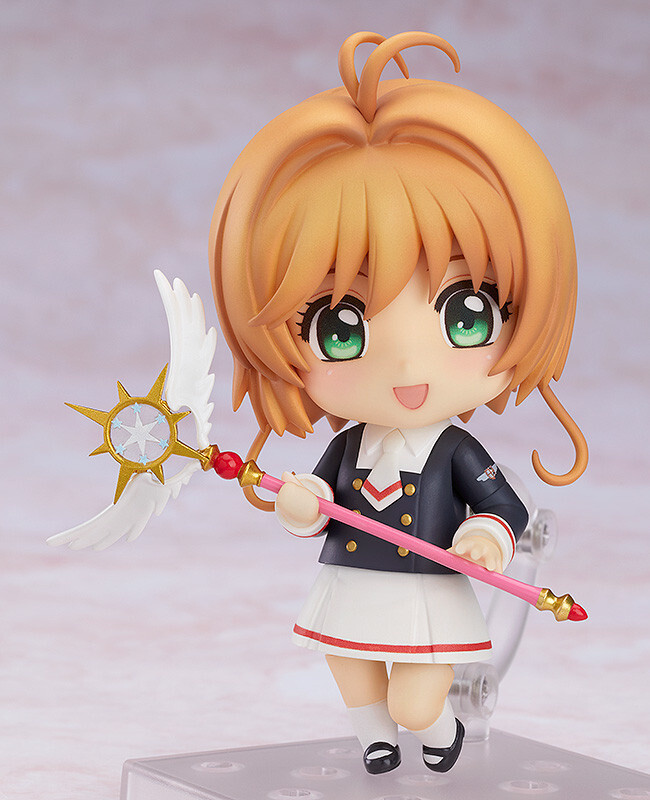
"We'll be together forever from now on!"
From the popular anime series "Cardcaptor Sakura: Clear Card" comes a rerelease of the Nendoroid of the main character Sakura Kinomoto wearing her Tomoeda Junior High school uniform!
She comes with three face plates including a cheerful standard expression, a charming smile as well as a flustered expression. The Nendoroid also includes her Dream Wand, her pink teddy bear and a school bag allowing for various different poses!
Nendoroid Darling in the Franxx Zero Two (Re-run)
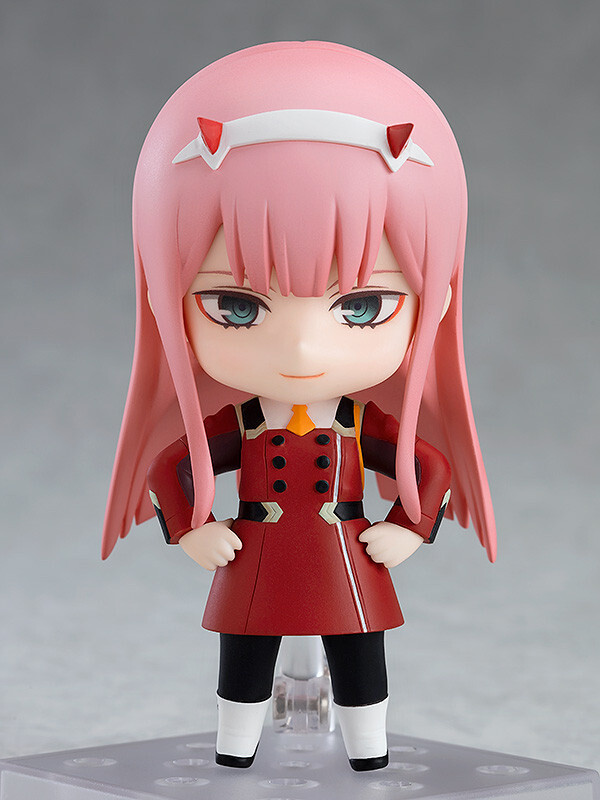
*"Won't you be my darling?"
From the popular anime series "DARLING in the FRANXX" comes a rerelease of the Nendoroid of Zero Two wearing her uniform! She comes with three face plates including a fearless smile, an innocent smile with closed eyes as well as a sidelong glance with an open mouth that can be used to display her sucking a lollipop or with her tongue out!
The bacon from the start is also included allowing you to recreate the iconic scene bacon eating scene from the series! Her jacket and hat are also included as optional parts for even more posing opportunities!
Nendoroid Kaguya-sama: Love is War Kaguya Shinomiya (Re-run)
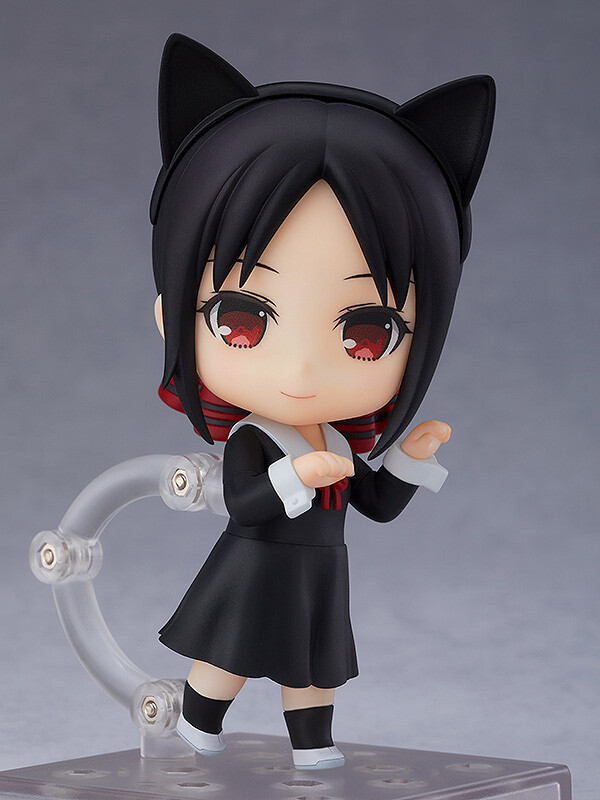
"How cute..."
From the anime series "Kaguya-sama: Love is War" comes a rerelease of the Nendoroid of Kaguya Shinomiya, student council vice president of Shuchiin Academy.
She comes with three face plates including her smiling standard expression, a "How cute..." expression and a "Cuuute!" expression from when she saw the student council president with cat ears on! Optional parts included her flip phone and a pair of the "miraculously compatible" cat ears.
The inner cardboard sheet of the packaging functions as a background sheet of the student council room, and several different text plates from popular scenes in the series are included, allowing you to recreate all of your favorite scenes from the show!
Nendoroid Hatsune Miku: The Vampire Ver. (Re-run)
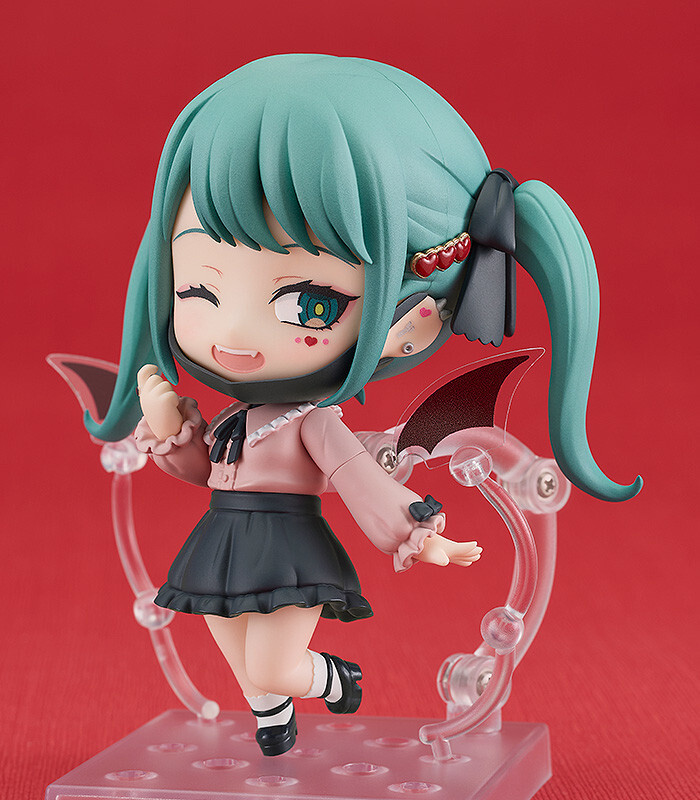
"I'm a vampire. Is it okay if I suck you?"
Hatsune Miku as she appears in the music video for the song "The Vampire" by DECO*27 has been transformed into a Nendoroid!
Be sure to add this devilishly adorable rendition of Miku to your collection!
Uma Musume: Pretty Derby Tamamo Cross 1/7 Scale Figure
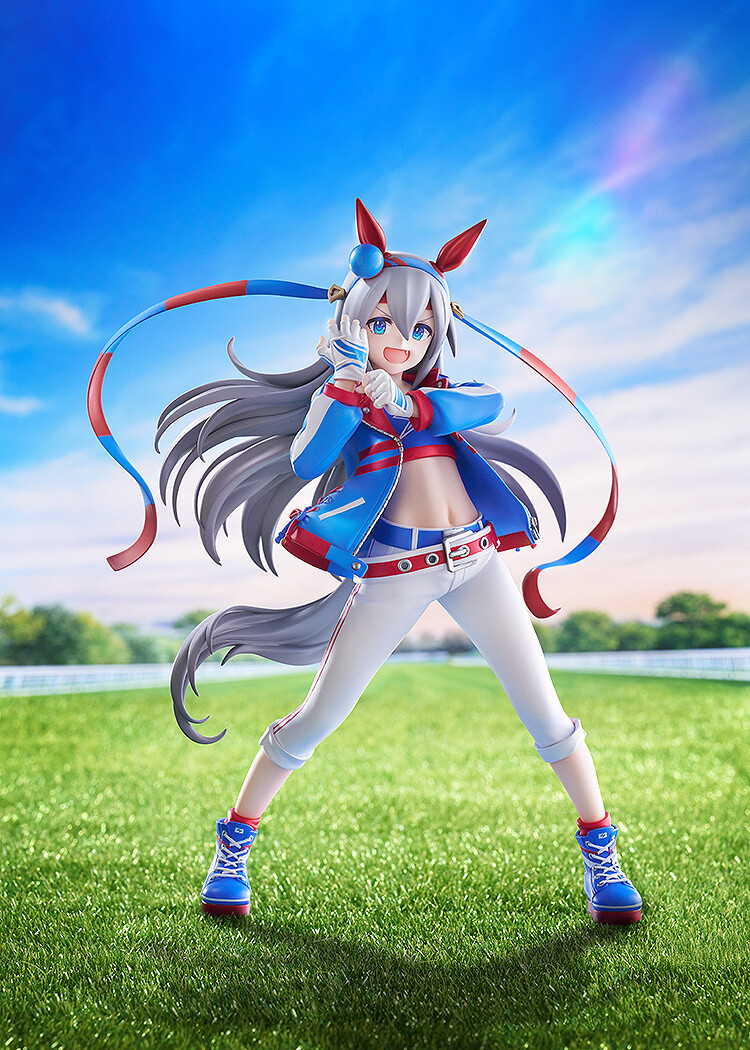
“Here comes White Lightning — ready to strike!”
From the game "Umamusume: Pretty Derby" comes a scale figure of Tamamo Cross, also known as the "White Lightning"! Her petite physique has been faithfully captured in figure form in a dynamic standing pose with an expressive smile, expressing her confidence and fighting spirit. Her long silver hair fluttering in the wind, slender waistline and strong legs have been carefully sculpted to capture her athletic charm. Enjoy admiring her unique powerful yet adorable appearance by adding her to your collection!
Pop Up Parade The Melancholy of Haruhi Suzumiya Haruhi Suzumiya L Size
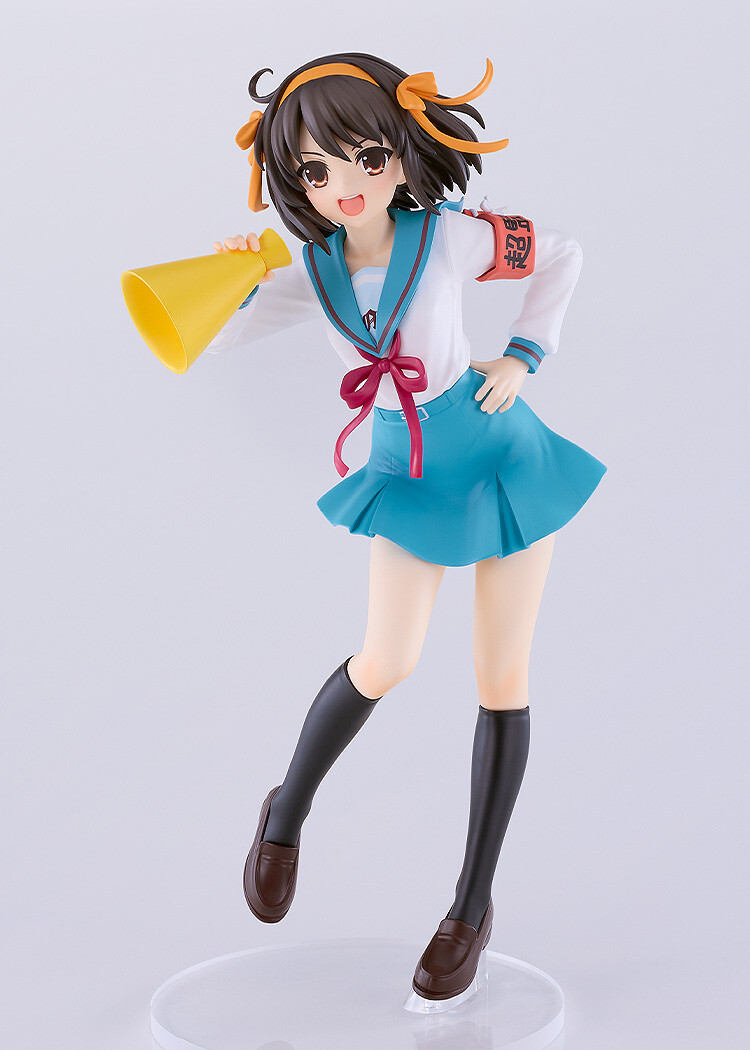
With the same impact as a scale figure!
POP UP PARADE is bringing figure fans a brand new sense of excitement with the L line.
Nendoroid Blue Archive Kisaki Ryuuge
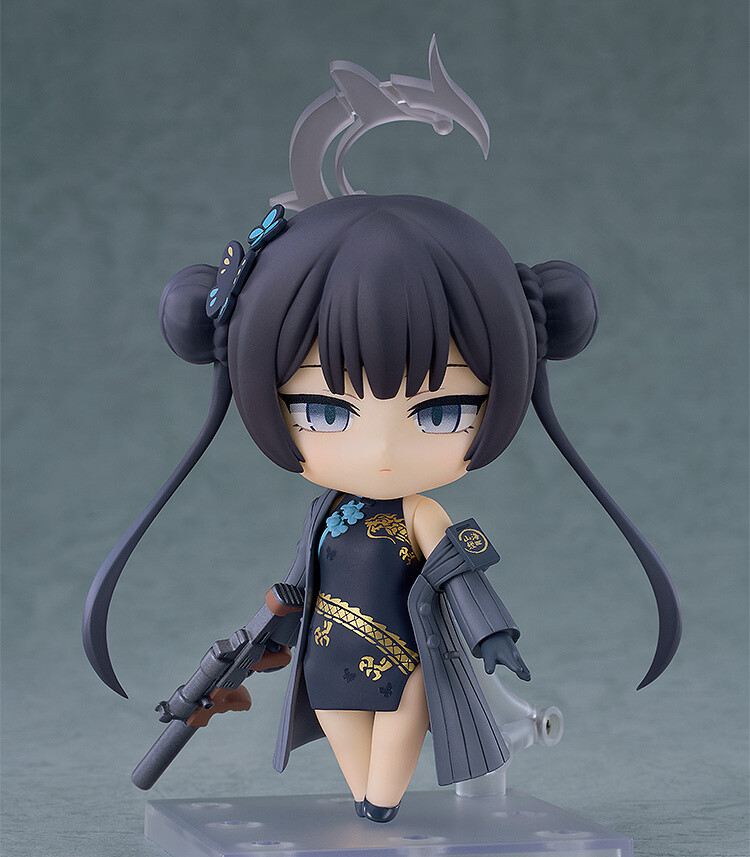
"There you are, Sensei. Fufu. How audacious of you, to make even the president of Shanhaijing wait."
From the hit game "Blue Archive" comes a Nendoroid of Kisaki, the president of Genryumon and a student at Shanhaijing Academy!
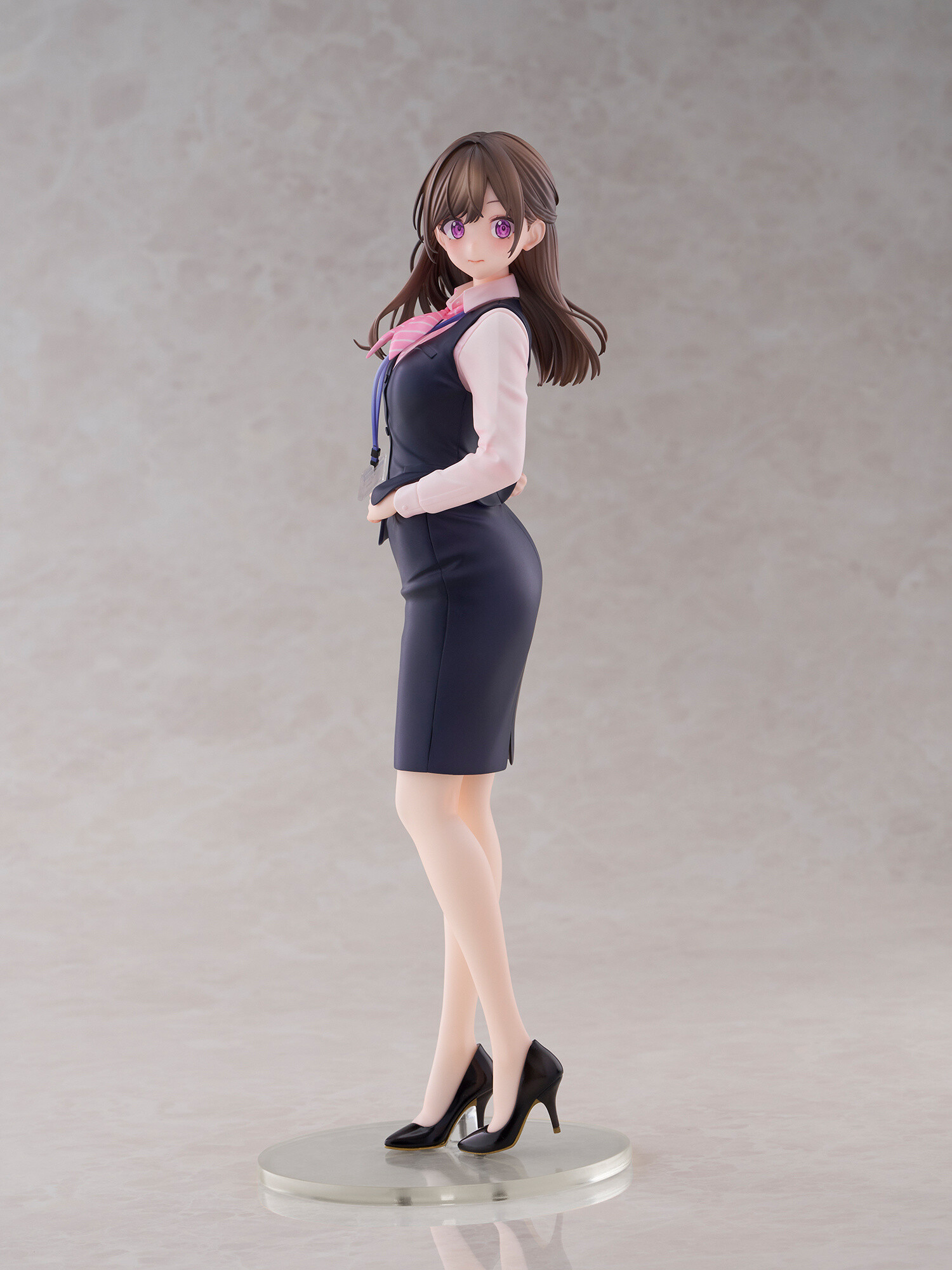
KoiKoi -Sakura- Amagi Shino Illustration Receptionist 1/6 Scale Figure
Sousai Shojo Teien Yomi: Swimsuit Style
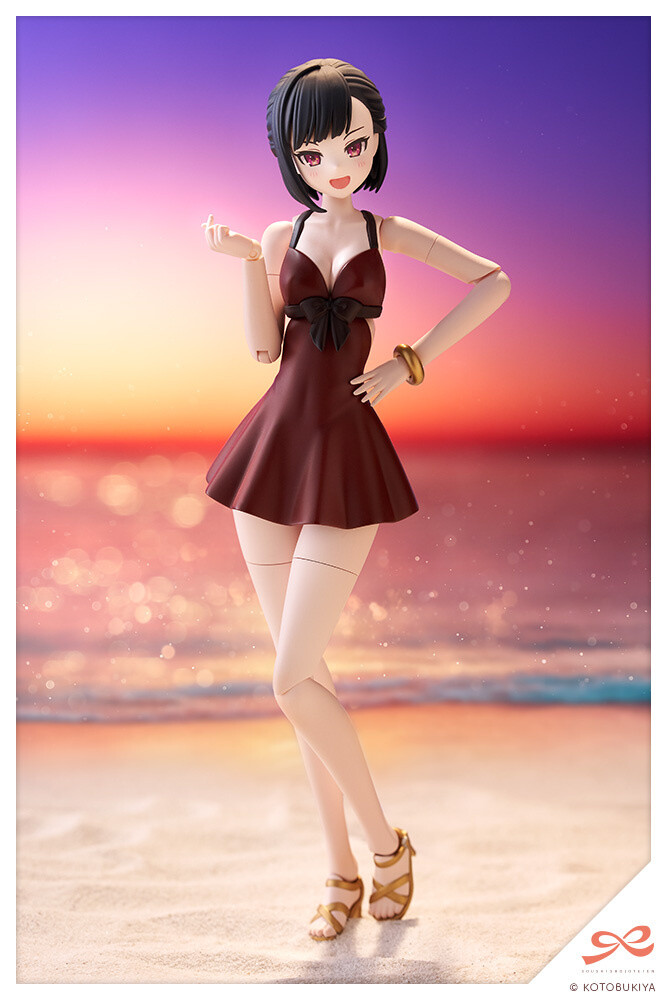
What if Koyomi Takanashi was a musician?
This question created YOMI, now available in a swimsuit version.
Product Highlights!
[Three Types of Face Parts]
The eye prints have been newly designed by En Morikura and feature a slightly sharper, cooler look than the original Koyomi.
The three face parts included are smiling, teasing, and nervous.
Additionally, original expressions can be created by applying the included eye decals to the unpainted face parts.
*The face parts are the same as found in Ritsuka Saeki [St. Iris Gakuen Girls' High School Summer Clothes].
[Three Hairstyles]
Three different hairstyles are included, a bob cut, braids, and a half-up. Each part is molded in a metropolitan black.
[Body]
This kit uses the body from Koyomi Takanashi【Swim Style】. The swimsuit has been changed to a dark red with antique gold accessories, completing a gothic-inspired look.
The skin color is Skin Color C, making part swapping with kits such as Kuon Yakushiji[Maria Kagaribi Costume] and Dress Up Body[M] Color C Ver. possible.
The sandal straps are pre-painted, creating an image close to the illustration with assembly alone.
*A straw hat is not included in this kit.*
[Neck Joint]
The neck joint slides back and forth, making taking poses looking up or tucking in the chin look natural.
[Sitting Body]
The sitting body was sculpted with her sitting in a chair or in a W-sitting pose in mind.
Sit her on various small items or combine with the After School sets sold separately.
[Fixed Legs and Dedicated Stand]
In addition to the sitting body, the fixed legs allow poses with knees bent further than possible with the articulated legs. They attach from the thigh and can be arranged to have only one fixed leg part for even more posing options.
She can also be displayed in a crouching position using the sitting body, fixed legs, and dedicated stand.
*The dedicated stand is clear.*
[Bare Feet Parts]
Aside from the sandals, the kit comes with bare feet parts. In addition to feet for simply standing, feet with toes curled and feet with toes lifted are also included to expand the range of posing options.
[Clear Black Glasses Set]
The kit includes a set of glasses in clear black, perfect for use as sunglasses.
*The glasses are the same shape as those in the After School Glasses Set.*
[Deck Chair]
The angle of the backrest can be adjusted between three positions, ideal for recreating a scene from a resort pool.
*The deck chair is the same as that found in After School Madoka's Well-Deserved Summer Vacation Set.*
{pagebreak}
Azur Lane Bismarck: Unpacked Surprise Ver. 1/7 Scale Figure
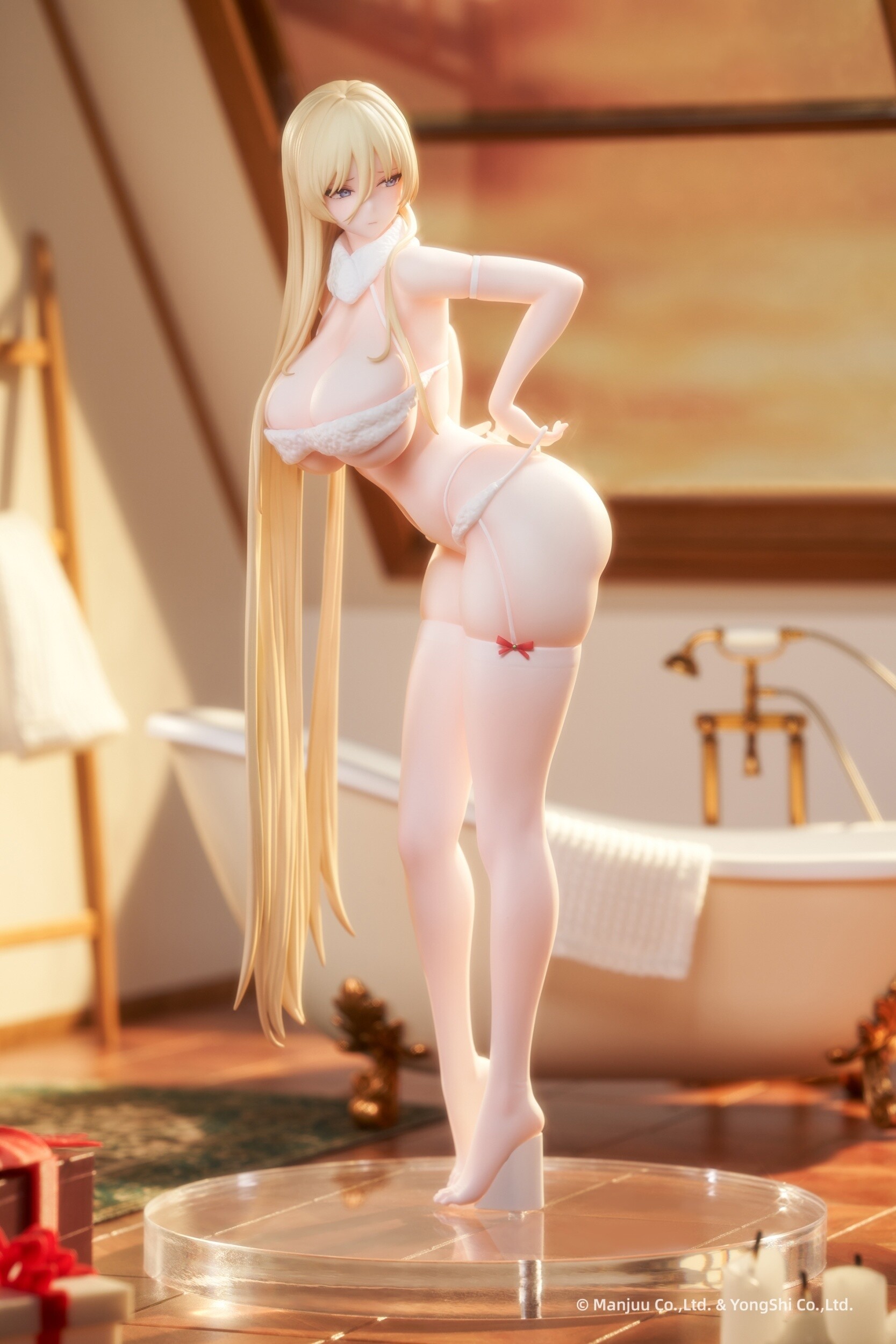
Street Fighter Chun-Li 1/6 Scale Figure (Re-run)
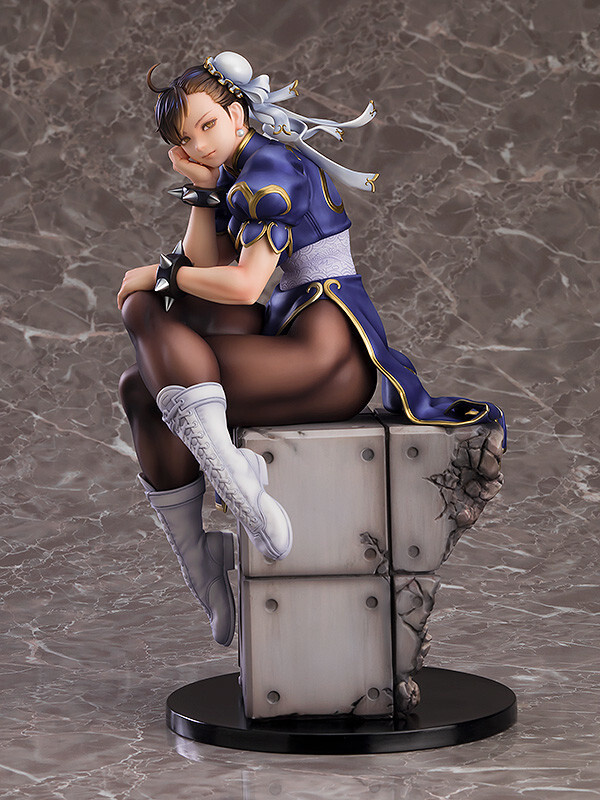
Presenting a new figure of Chun-Li from the Street Fighter series as drawn by Akiman!
From the Street Fighter series of fighting games comes a 1/6 scale figure of Chun-Li! The figure is faithfully based on an illustration from 2022 made as a collaboration between CAPCOM and Momochihama Chozai Pharmacy for their medicine booklets, with Akiman himself involved in the review and approval process. Chun-Li is shown temporarily away from the battle. The supple look of her muscular physique and careful paintwork to match the elegant colors of Akiman's original illustration create an attractive finish that serves to enhance the shadows cast by the sculpt itself. A drink bottle part is also included, further creating a breaktime-like atmosphere. Be sure to add her to your collection!
Nendoroid Persona 5 Royal Futaba Sakura: Phantom Thief Ver.
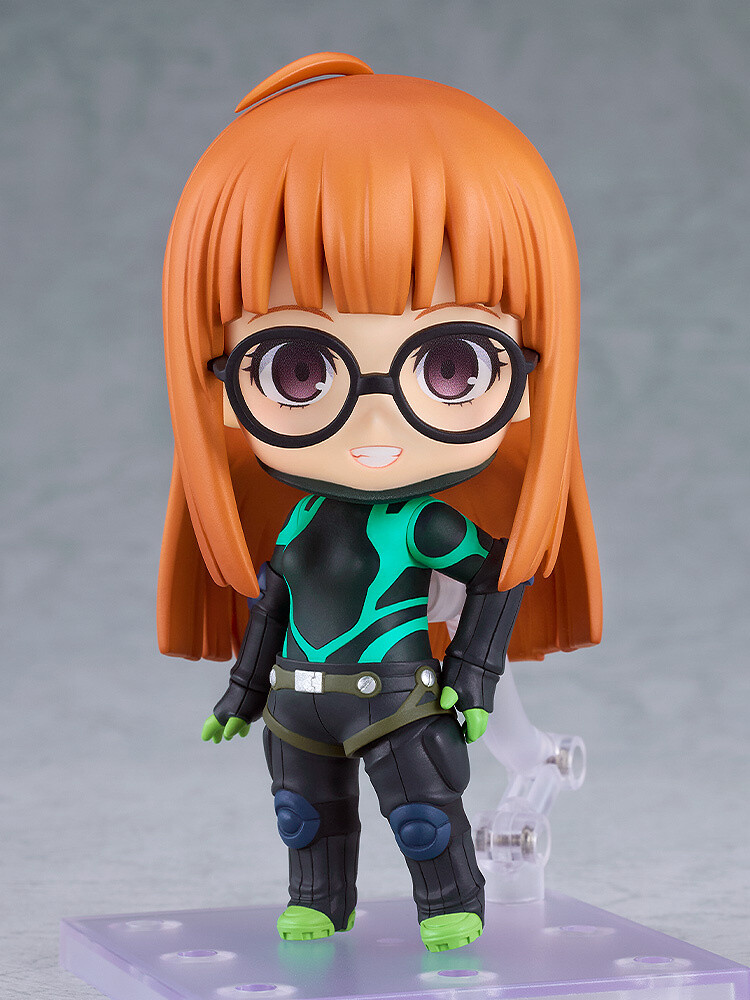
"I sense trouble! Leave it to me!”
From the popular game "Persona5 Royal" comes a Nendoroid of Futaba Sakura in her phantom theif outfit!
Extreme Bliss Westward Journey Wukong 1/9 Scale Action Figure
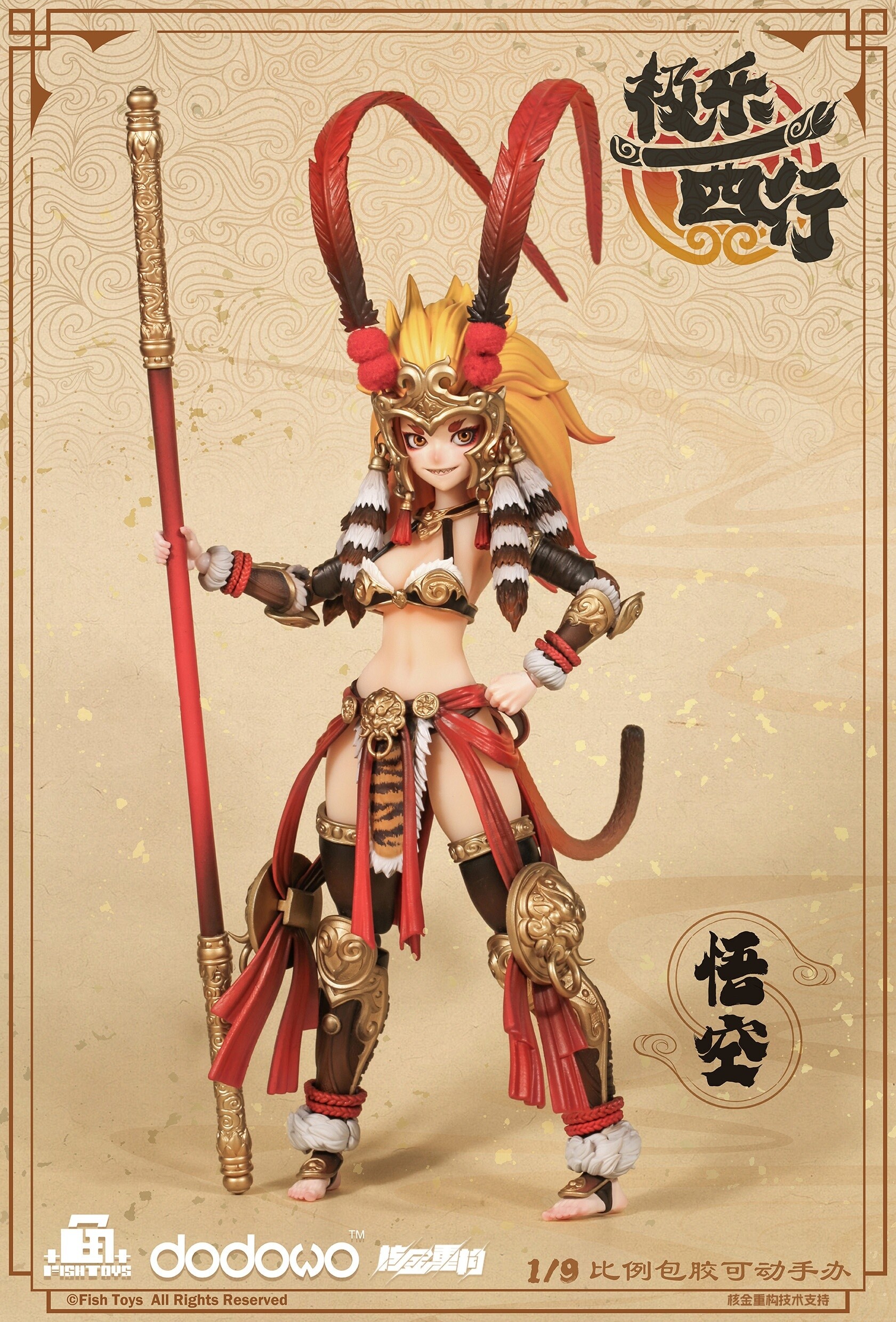
Planned and made by Fish Toys, here comes the original 1/9 scale action figure of "Extreme Bliss Westward Journey - Wukong"! Holding her famous Ruyi Jingu Bang and swaying her long tail, this figure captures a lively and enchanting style. With many moving joints, you can create all kinds of dynamic action poses!
Extreme Bliss Westward Journey Tianpeng 1/9 Scale Action Figure (Re-run)
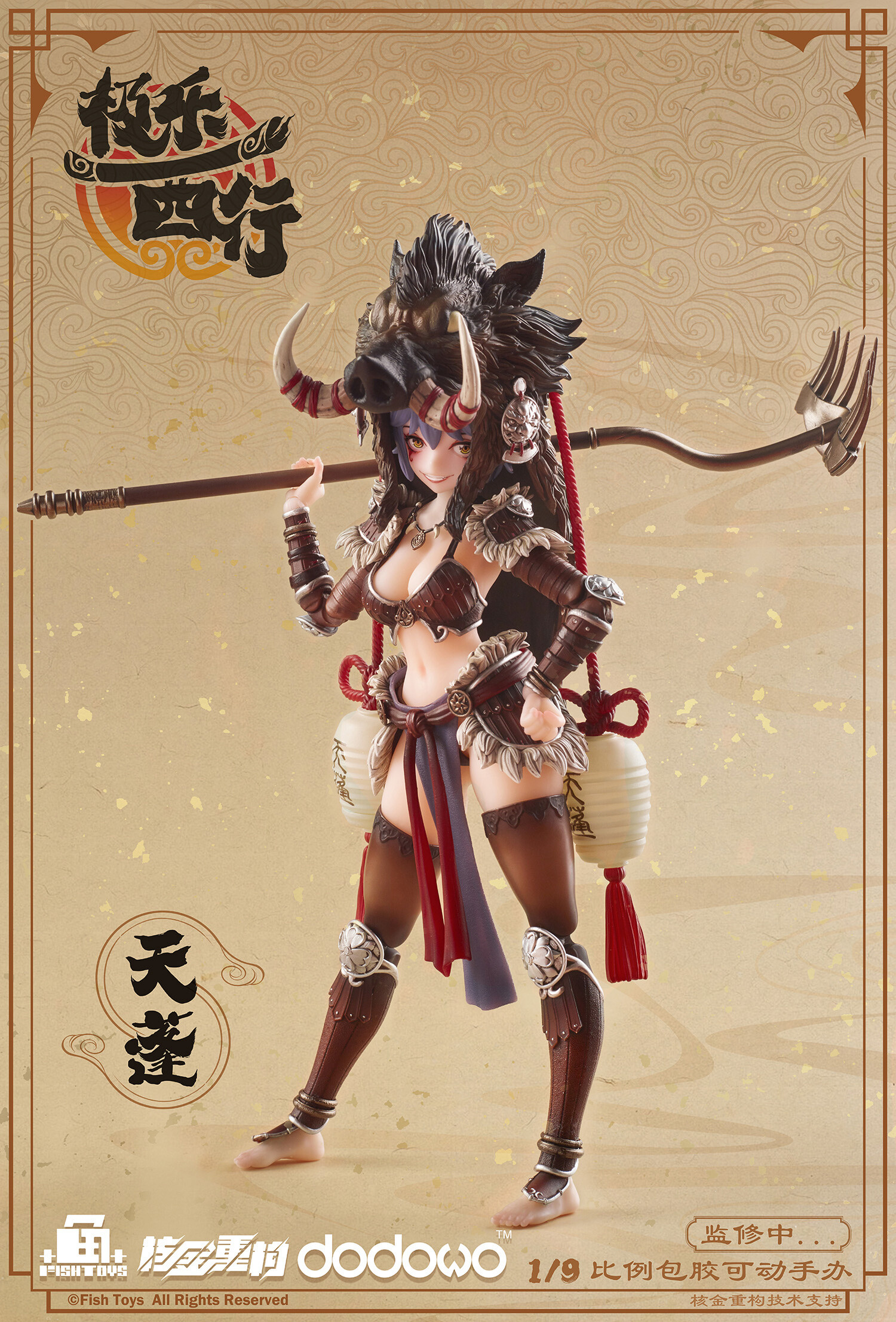
Planned and made by Fish Toys, here comes the original 1/9 scale action figure of "Extreme Bliss Westward Journey - Tian Peng"! Tian Peng is a mischievous and hungry girl. She wears a wild wild-boar hat, and her decorative lanterns actually light up with built-in LEDs! Keep an eye on the "Extreme Bliss Westward Journey " series for more exciting releases in the future!
Sousai Shojo Teien Emma Koishikawa: St. Iris Gakuen Girls' High School Summer Clothes (Re-run)
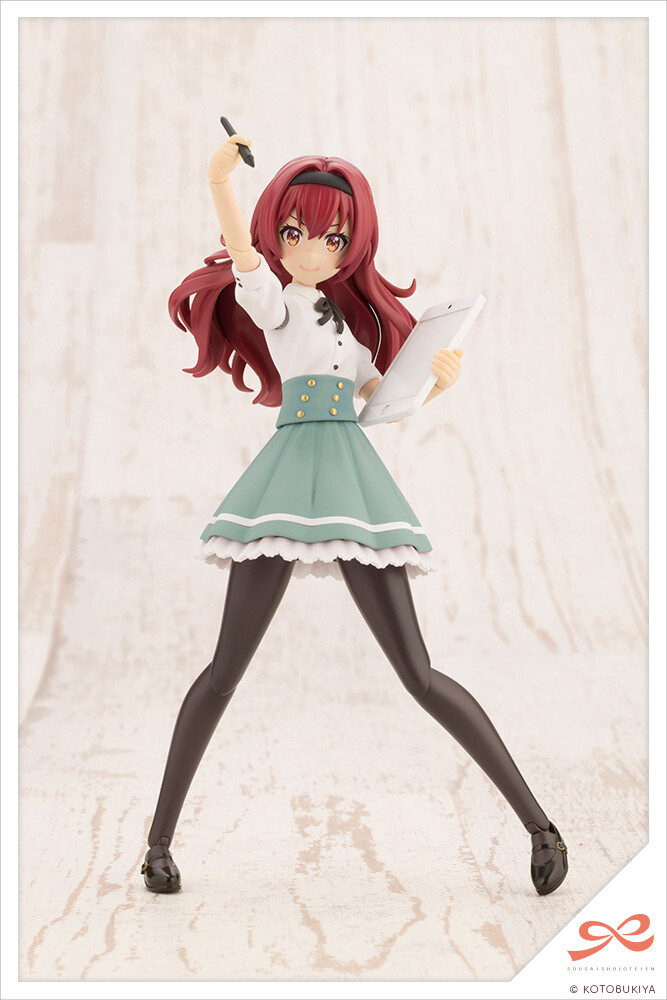
Available at long last! By popular demand, "Emma-chan senpai" is finally making her model kit debut♪
Emma Koishikawa, aka Emma-chan senpai, is a cute girl who loves games, anime, and Japanese tokusatsu sci-fi! She especially loves giant, cool things, like robots and monsters. A second-year student in high school, she dreams of becoming a god-like illustrator!
▼Product Highlights!
[Complex Hair Styles]
Emma's trademark "wavy hair" is made up of more than ten individual pieces for the cutest look possible. In addition to the wavy hairstyle, twin-tail and bun hair parts have also been included♪
There are also a wide variety of bangs, from ones with and without a headband to ones that work with other hair accessories and glasses! Choose the hair you like the most.
[Pre-Painted Face Parts]
An incredibly expressive character, Emma comes with four different face parts, Smiling, Shouting, Upset, and Disgusted! They all come painted and unpainted as well. The included expression decals can be used with the unpainted face parts to change the direction of the eyes!
[Small, Slender Body]
Emma is a petite 140cm tall girl. The size of the actual model is the smallest in the series, too, at 14cm. The small, slender body is definitely one of the highlights of this model.
To stay in proportion with the body, we have also made her feet smaller. With the included parts, she can be displayed without her shoes, too.
The ball joint in the neck is designed to slide forward and back to allow for a greater range of expression.
Use the 6mm ball joint to combine the body with Megami Device models as a 14cm body in a uniform.
[11 Hand Parts]
The kit includes 11 types of hand parts, including four newly sculpted hand parts: holding (drawing tablet), holding (tablet computer), holding (game controller), and cool open hand.
[Twisted Torso]
This special torso part allows the model to twist her body at the waist and extend her right arm forward, greatly expanding the number of potential poses.
[Skirt Parts]
The white lines on the skirt of her uniform, which were pre-printed in the Ritsuka Saeki model, are now separate parts for the standard and flowing skirts. The skirt comes in three different shapes: standard, flowing, and sitting while hugging knees.
[Body for Sitting While Hugging Knees]
This special body part allows Emma to sit with her knees to her chest.
The body is to be used with the regular head, arms and feet.
[Array of Accessories]
As Emma aspires to be a god-like artist, the kit also includes computer tablet and drawing tablet accessories for drawing poses. The back of the computer tablet features a certain special emblem.
The smartphone also comes in two versions, standard mode and gaming mode, with the beloved HEXA GEAR logo etched into the back.
The St. Iris Gakuen Girls' High School bag features a removable school emblem covering a 3mm hole that can be used with flying bases.
Five hair accessory parts for the various bangs are also included.
Gift+ Honkai: Star Rail Hyacine 1/8 Scale Figure
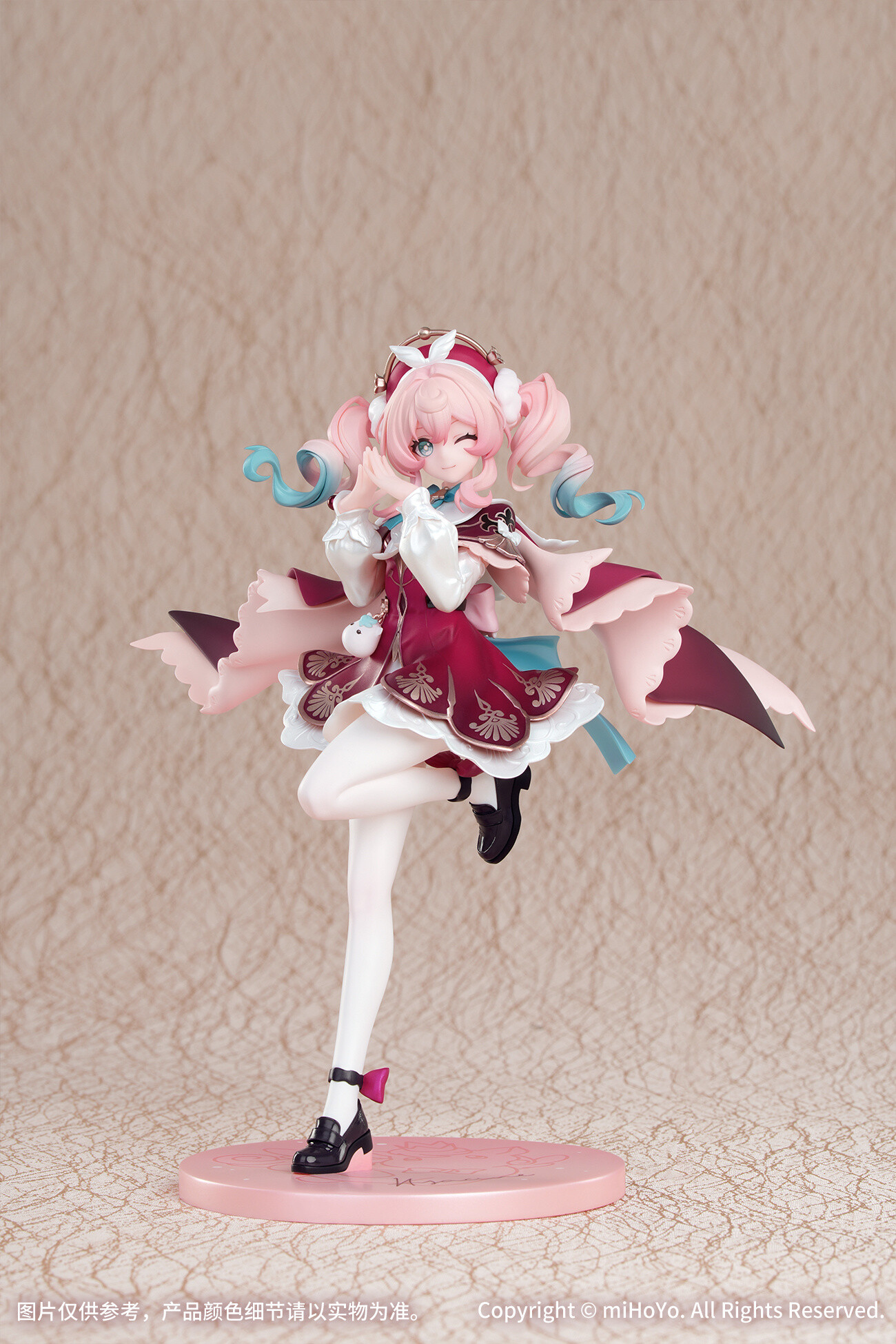
From the game Honkai: Star Rail, Hyacine, a new 1/8 scale figure of the Gift+ series, is coming soon!
Beneath the wine-red outer dress, delicate white lace accents flutter softly. With every light step Hyacine takes, the hem dances gently in the breeze. Atop her exquisite hat, pearlescent feathers symbolizing tenderness mingle with metallic-hued blossoms of resilience — together conveying the unique healing power that belongs to Hyacine alone. Her twin-tails sway gently in the wind, the gradient blue tips echoing the bow at her chest perfectly, while a tiny Little Ica pendant dangles adorably at her waist… All woven into a candy-colored reverie. Hands gently clasped, a warm smile spreading across her lips — this is the gentle light Hyacine brings to the Twilight Courtyard.
Here you'll find cozy, warm blankets and seasonal flower tea. Trailblazers…Care to join me?
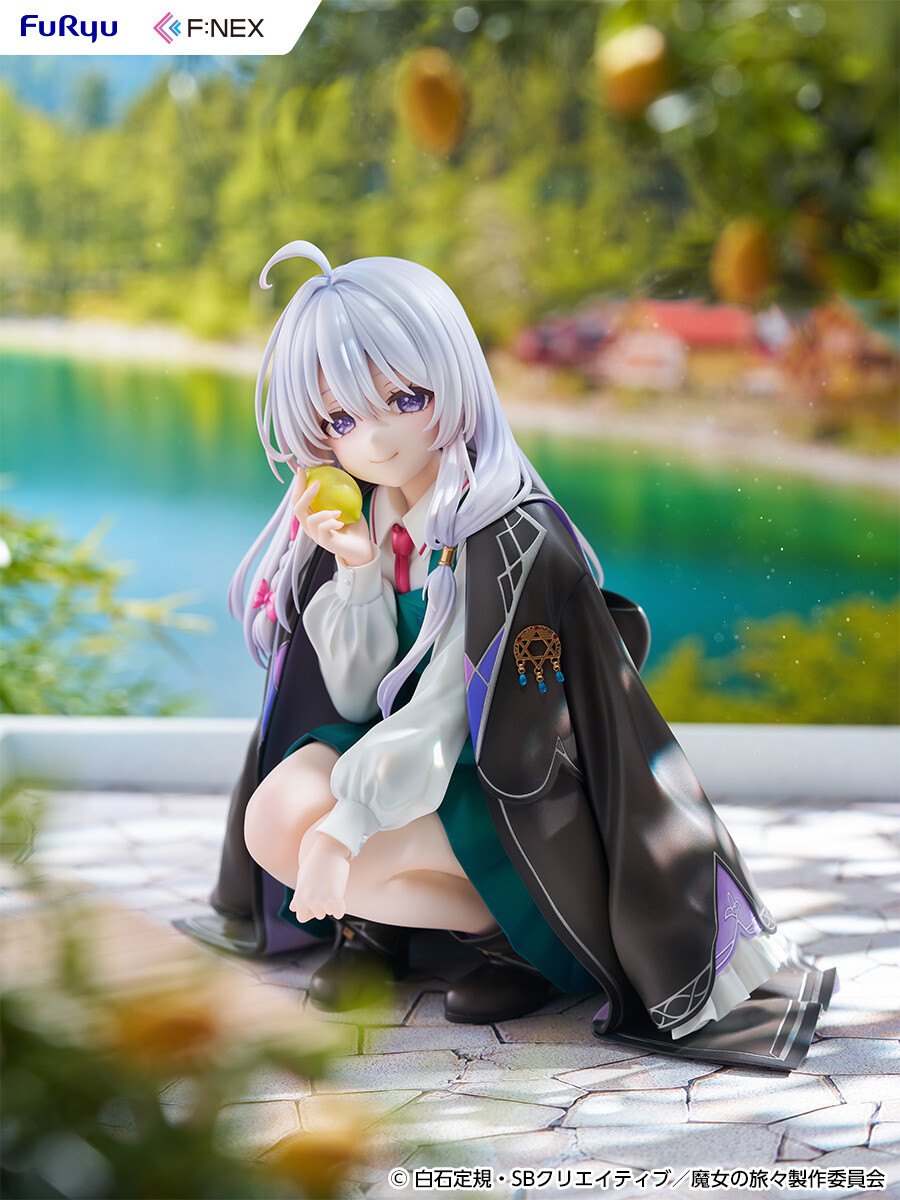
Wandering Witch: The Journey of Elaina Elaina: Citrus Ver. 1/6 Scale Figure
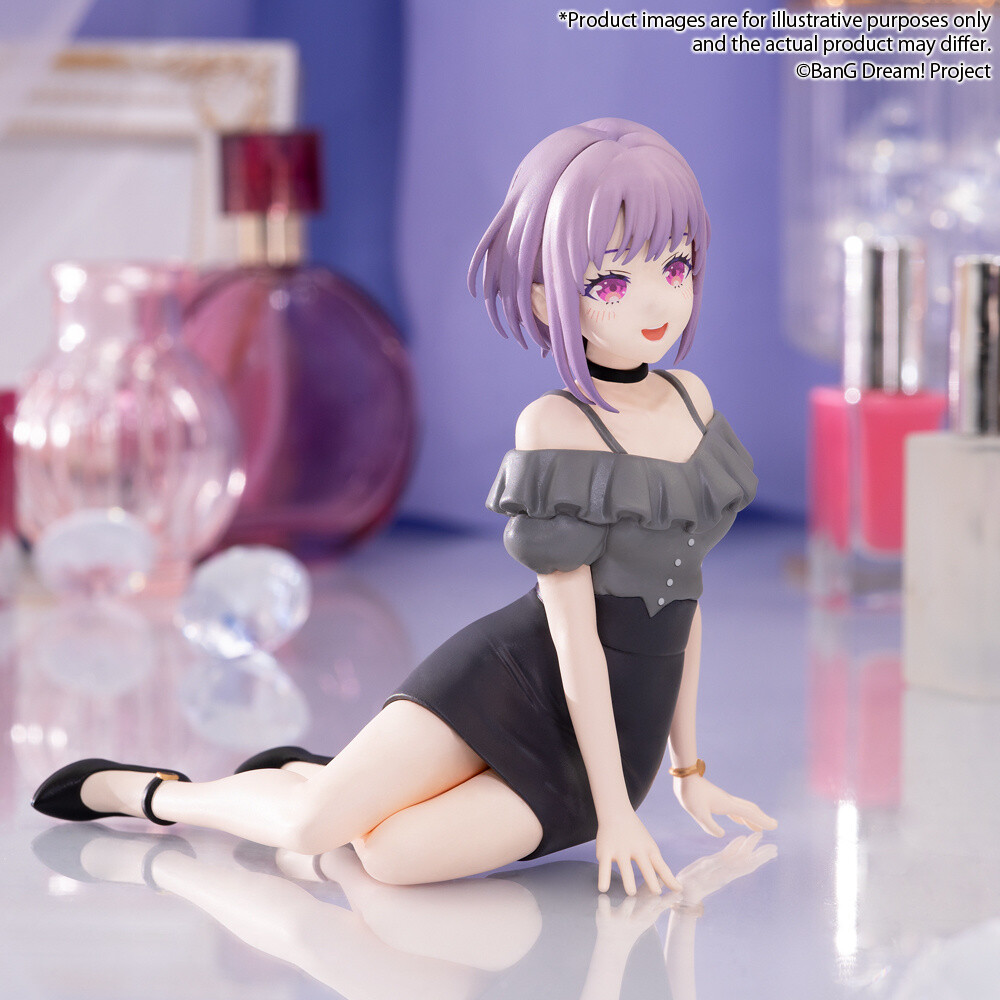
PREMIUM Figure BanG Dream! Ave Mujica Nyamu Yutenji: Casual Outfit Ver.
from Tokyo Otaku Mode News https://ift.tt/BdJlVFv