New Post!
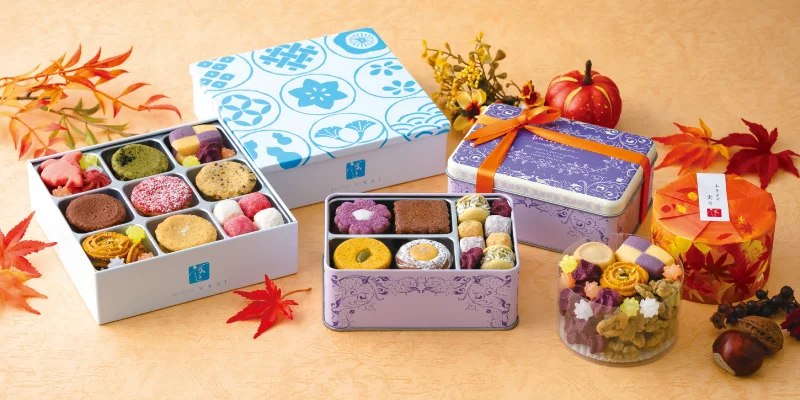
We’ve previously covered spring and summer seasonal exclusives. Now let’s head into the colder months of the year.
Autumn Specials - 秋季限定

Around October, sweet potatoes or satsumaimo (さつまいも) start appearing throughout Japan. It’s such a recognizable flavor of the season that convenience stores and retail chain Donki will set up stations selling yakiimo (焼き芋) or roasted sweet potatoes, and yakiimo trucks drive around certain areas offering a hot snack for people to buy. Many snacks and drinks also feature suīto poteto (スイートポテト), a paste or flavoring made from sweet potato often written in katakana to differentiate it from the actual vegetable.
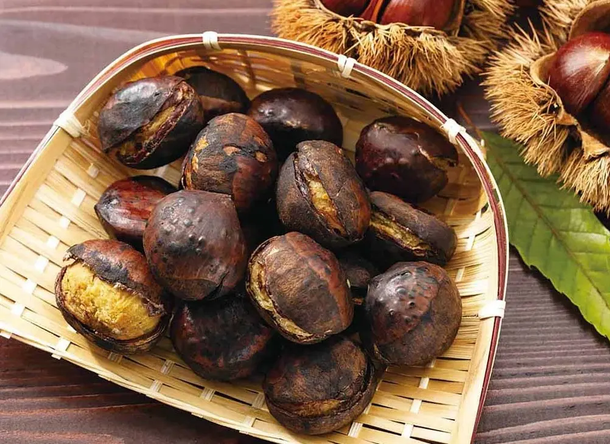
Chestnuts or kuri (栗) are another popular autumn flavor that gets picked for seasonal campaigns. Chain coffee shops often put out chestnut lattes, and many bakeries and patisseries will push their chestnut-based products like mont blanc cakes and breads. It’s good to keep in mind, though, that the French word marron (マロン) is used to refer to chestnuts in the context of sweets and Western-style dishes.

As for fruits of the season, nothing says autumn like apples. While apple dishes and various apple-flavored products are widely available during the season, consider doing something different for your trip to Japan: apple picking. Aomori Prefecture up north is known to produce the majority of Japan’s apple supply, but areas like Nagano and Gunma are also popular areas for apple picking closer to Tokyo. It’s a fun way to experience other parts of the country and a chance to get the freshest produce.

As temperatures start dropping, persimmons become widely available at supermarkets throughout Japan. They’re not as widely used in other snacks as other foods on this list, but the seasonal dried persimmons known as hoshigaki (干し柿) are sought after delicacies. The artisanal process takes weeks of meticulous care so don’t be surprised by how expensive hoshigaki can be. And since it takes time, people who want to buy hoshigaki have to wait until winter.
Winter Specials - 冬季限定
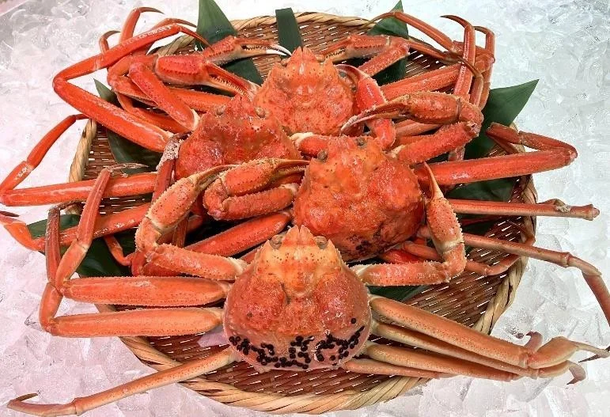
Most items on this list have been fruits and vegetables, but crabs are a must when it comes to winter’s offerings. Even though crabs become available in the market as early as November and go all the way until spring, their image is highly associated with the coldest time of the year. Tons of seasonal dishes at restaurants include crabs, particularly the Japanese snow crab known as zuwaigani (ズワイガニ). Crabs are so popular in winter that it’s possible to find limited edition crab-flavored chips, instant ramen, and other products that you can bring home.

Mikan (みかん), also known as satsuma mandarin, is a type of citrus similar to oranges. They start popping up at stores in early autumn, but the sweetest mikan peak around mid-winter. In fact, mikan is so closely associated with the season that it’s often seen in various imagery during winter—particularly relating to New Year celebrations. During this time mikan gentei products range from juices to ice cream to desserts, so citrus lovers have tons of options to choose from.
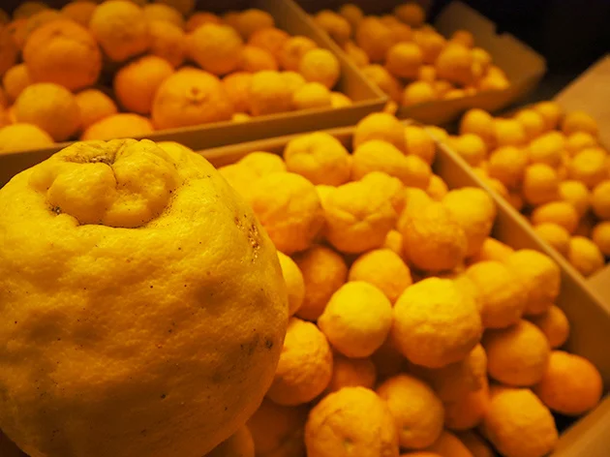
During winter, we also have another popular citrus known as yuzu (柚子). Unlike other fruits we’ve mentioned here, it’s not usually eaten on its own. It’s so acidic that it’s almost too sour to snack on, but its juice and zest have a delicious citrus flavor that works well with other foods. Ponzu (ポン酢), a type Japanese sauce with a citrus-base, is often made with yuzu juice.

One unique winter tradition associated with the fruit is yuzuyu (柚子湯), or a hot bath infused with yuzu. It’s a relaxing wintertime activity where people can enjoy the heat of the water with the refreshing scent of the fruit. Izu Shaboten Zoo, located in Shizuoka, is popular for their capybara baths where visitors can watch the animals also take part in this bathing ritual during the winter.
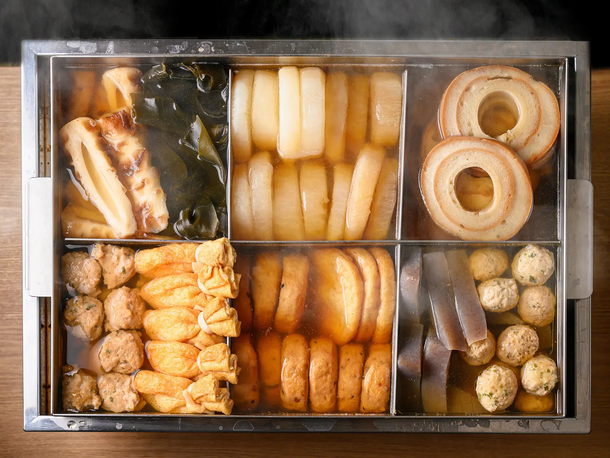
Like summer’s kakigōri, oden (おでん) and nabe (鍋) are more seasonal dishes than flavors. Walk into a convenience store around fall and you might notice the smell before you even spot the steam rising by the counter. This is oden, a dish of various ingredients simmered in a soy-dashi broth. While some items are common across convenience stores and supermarket packs, restaurants that specialize in oden might have special menu items.

Another staple dish for the cooler months is nabe, which is more of a style of cooking than a dish with a specific recipe. Similar to hotpots from other Asian countries, whatever goes into nabe is up to personal preference—from the broth base to all the other ingredients. Some regions of Japan have specialty nabe dishes using local ingredients, so it’s a really great way to try a region’s cuisine.
Some restaurants also serve specific types of nabemono (鍋物) or nabe dishes throughout the year. Motsunabe (もつ鍋) is a type of stew made from beef or pork offal that originated in Fukuoka, though nowadays it can be found in other areas of Japan. Meanwhile chankonabe (ちゃんこ鍋) started out as a dish made for sumo wrestlers to gain weight as they trained, but now it’s served at specialty restaurants especially around Tokyo’s Ryōgoku district.
No matter what time of the year it is, there are seasonal exclusives for you to find on your trip. But if it’s a limited edition figure, don’t wait to go to Japan to pick it up. Keep an eye out for pre-orders available at TOM, especially for limited edition merch and collab goods! Stay up-to-date with those special releases via our socials.
TOM on FB
TOM on Instagram
TOM on X
Written by Alon Bramble for TOM News
from Tokyo Otaku Mode News https://ift.tt/D1q2yr4
A Taste of the Seasons (Part Two)
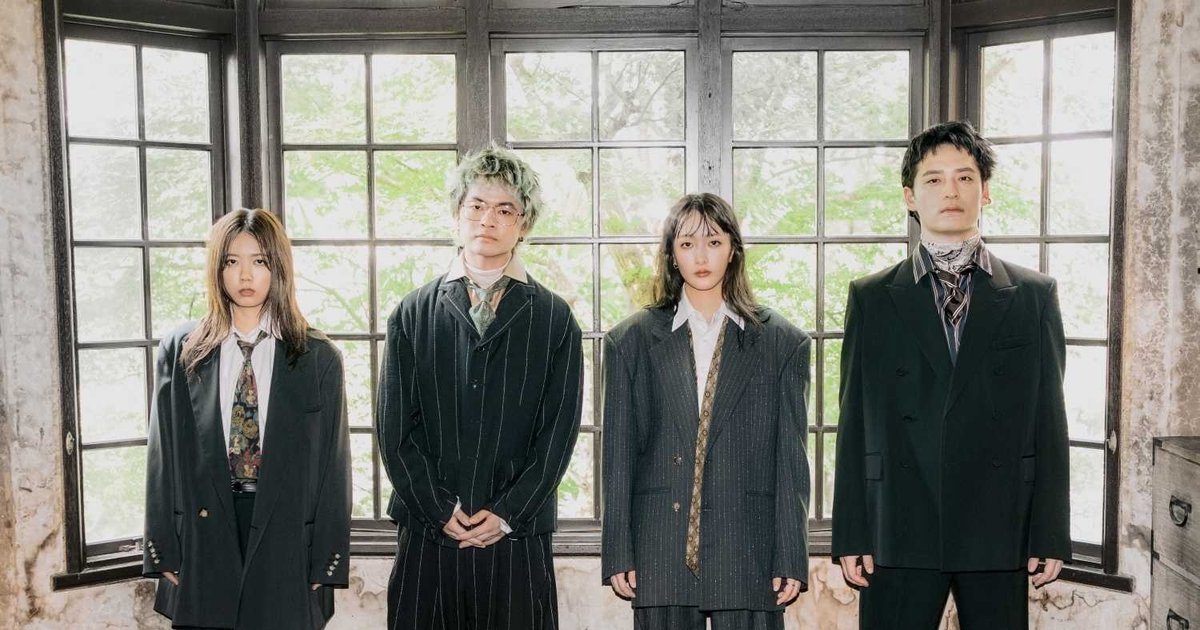
Ryokuoushoku Shakai is a popular Japanese band known for their energetic sound and vocals, and they've been steadily gaining traction within the anime community. Their music has been featured as the opening and ending music for The Apothecary Diaries, Delicious in Dungeon, My Hero Academia, and other anime.
We had the opportunity to interview them about their career, dive into their latest album "atamago", and ask them about the process of having their songs featured in anime.
Introduction & Career
Tokyo Otaku Mode: For our readers and viewers who might be discovering you for the first time, could you please introduce yourselves and describe the unique musical style and energy of Ryokuoushoku Shakai?
Ryokuoushoku Shakai: Nice to meet you. We have been making music for about 15 years, ever since we were high school classmates and childhood friends. The way we create songs has evolved over the years, and now all four members are involved in songwriting. We believe that the colorful and diverse range of songs that can only come from all of us contributing, together with Nagaya’s distinctive vocals, are at the very heart of what makes us Ryokuoushoku Shakai.

TOM: Your music has been featured in several highly popular Japanese anime and dramas. How does it feel to see your songs become such an integral part of these beloved stories and reach such a massive global audience?
RS: Having our music reach people through different avenues means that we can connect with audiences we may not have been able to reach otherwise. For example, anime allows us to connect with anime fans and fans of the original works, and now it is also becoming an opportunity for people overseas to discover our music. As a band, we feel very grateful for these valuable opportunities.
TOM: We'd love to know more about the creative process behind these tie-up tracks. Are you typically approached to write a brand-new original song tailored to the story, or do producers choose from songs you’ve already written? Do you usually get to know about the specific scenes where your music will be used beforehand?
RS: We have experienced both, but I think we more often write songs specifically for the project. When we do, we read the original work or script beforehand and look for things that resonate with us. At the same time, we make sure to create the song in a way allowing us to express it as a Ryokuoushoku Shakai song.
TOM: Speaking of anime tie-ups, you recently provided music for the anime movie Paris ni saku étoile. What was your experience like working on this specific film, and how did the story influence the music you created for it?
RS: This was our first time creating a theme song for an anime movie, so we were very happy about that. At the director’s request, we took the historical and social context of Paris at the time into consideration when creating the song, including things like our choice of instruments. This was a very fresh experience for us as a band and gave us the opportunity to create something we had never made before, so we were very grateful for it!
About the New Album "atamago"

TOM: Congratulations on the release of your new album, Atamago! Could you tell us about the overarching theme of this record and the main inspirations that fueled your songwriting this time around?
RS: In terms of a specific theme, there isn't really one, as the word “Atamago” itself represents the songs of Ryokuoushoku Shakai. However, once we came up with the title “Atamago,” we gained a sense of reassurance that no matter what kind of new song we created, it would fit within the world of “Atamago.” This gave us more freedom in our songwriting and allowed us to take a fresh look at what we want to do and what we love doing right now. That became the foundation of this album.
TOM: The title of the album is Atamago (あたまご), and there is also a track titled “utamago” (うたまご). What is the meaning behind these words? Is it a play on words combining concepts like head (atama), song (uta), and egg (tamago)?
RS: Yes! From the very beginning, we wanted the title to be four hiragana characters because of the familiarity and catchiness of the word. The word “tamago,” meaning “egg,” came from the feeling that we cherish our songs as if they were our own children. Since these “eggs” are born from our “atama,” or heads, we came up with “Atamago.” “Utamago” was another candidate we had considered when deciding on the album title, and it was the one that came just after “Atamago.”
TOM: With so many diverse tracks on the album, does each member have a personal favorite or a song that was particularly challenging to record? Which track from Atamago would you recommend to someone listening to your band for the very first time?
RS: “Utamago!” We created this song with the idea of making a “school anthem” for Ryokuoushoku Shakai. The lyrics include memories from our school days, and all four of us sing on the track. We feel that it is a form of expression that we could create precisely because it is an album.
TOM: You have a massive Arena Tour coming up right after the release of Atamago. When you were writing and recording these new songs, were you already imagining how they would sound live in front of thousands of fans? Which new track are you most excited to perform on stage?
RS: We were very excited to perform all of the new songs. By performing them live, the way we express ourselves and the way the songs reach the audience can change, so we were looking forward to seeing how people would respond to them.


International Fans & Conclusion
TOM: Thanks to streaming platforms and your anime tie-ups, your international fanbase is growing rapidly. Have you noticed this increase in overseas listeners, and do you have any goals or dreams to perform outside of Japan soon?
RS: We often feel it through the comments we receive on social media. We’ll come and perform overseas again!
TOM: Finally, could you leave a special message for all your international fans who are listening to your music and cheering you on from around the world?
RS: Thank you for always listening to our music and your support means so much to us! We hope to perform in your city someday. Love you guys!
- from Ryokuoushoku Shakai
This is an original interview by Julie B.
Photos by 西槇太一
from Tokyo Otaku Mode News https://ift.tt/J4rU8hL
Interview with Ryokuoushoku Shakai: A New Album, A Fresh Take - "atamago"


Fandom culture has been around for decades and fan clubs aren’t exactly new. But fan club experience can vary by fandom. And if you’re into Japanese pop culture, you might’ve seen the term FC or fan club (ファンクラブ) around especially when there are upcoming events or merch releases. As a fan, it’s exciting to join this kind of community and get special access to content. But before you decide to join one, TOM’s here to give you a breakdown of what fan clubs are and what comes with joining them.
First off, most Japanese fan clubs are usually tied to voice actors, musicians, VTubers, athletes, and idols. Joining one requires a membership fee that members pay monthly or annually. Fan club membership prices vary depending on popularity, added bonuses, plus other factors, and many of them charge a one-time registration fee of 1000 yen.
In the case of agencies that handle voice actors or VTubers like Nijisanji, fans can choose between a general agency FC or the fan club dedicated to a specific talent within that agency. Some people might even pick both depending on the membership perks. Once you join, congratulations! You’re now a fan club member or FC kai-in (FC会員).


What do FC members get in return? Membership usually provides access to special content like videos, behind-the-scenes reports from events, and even New Year greeting cards known as nengajō (年賀状). Some FCs even have personalized birthday greetings or anniversary goods—though don’t expect this to always be the case. Most importantly, however, being part of a fan club usually gives access to member-only merch, priority tickets, and even special FC events.
One popular reason people join fan clubs is access to FC advance sales or senkō (先行) when it’s time to buy tickets for an event. That usually means they get first access to VIP or arena seating if they're available. And with Japan’s ticket lottery system, being in the FC gives fans more chances of applying for a ticket especially for really popular acts.

Some also hold FC events or special fan meetings that only members of the fan club can take part in. These can be birthday events, special exhibitions, handshake meetings, or even one-on-one talk time. Sometimes these also come with event-exclusive freebies, autographs, or early access to upcoming goods. These bonuses vary though so be sure to read the fine print on the application page if you can. Take note, too, that when you apply for these events through the FC, they still have separate ticket charges if you get picked. Your FC membership just gives you the chance to apply for these special events.

Joining an FC comes with a lot of benefits especially when it comes to having the opportunity to meet your favorites. But one major drawback is the fact that most of them require a Japanese address and cellphone number. Why? Because many electronic ticketing systems in Japan are tied to smartphones and they need a permanent address to send cards, newsletters, merch, etc. And some FCs also send out freebies to celebrate how long a member has been with the fan club or as welcome gifts but these are limited to shipping within Japan.
Don’t lose hope, though! More and more FCs are becoming open to international members and some use third-party providers to make them accessible, too. And even if you can’t make it to an event, sometimes you can access special streams as an FC member. Some fan clubs even allow members who live overseas to buy early-access merch, but expect additional shipping charges and processing fees on your order. Through online platforms, though, a lot of fan clubs are offering new unique experiences like video calls, voice notes, and other digital content that only their members can access.
So are you considering joining any fan clubs or are you currently part of one? Share your FC experiences with us on social media!
TOM on YouTube
TOM on FB
TOM on Instagram
TOM on X
Written by Alon Bramble for TOM News
from Tokyo Otaku Mode News https://ift.tt/ZmVo6Fa
TOM Guide: Fan Clubs


Manga lovers look forward to a lot of things when it’s their first time in Japan. One of those is being able to buy their favorite manga in Japanese. One of the easiest ways to find manga in Japan would be to head over to Animate. The anime specialty chain carries many popular series and recent releases so it’s a convenient place to stop by for otaku. Plus new volumes and bestsellers are out on display so they’re pretty hard to miss. Small bookstores carry similar stocks, and convenience stores can also have the latest volumes of major titles.
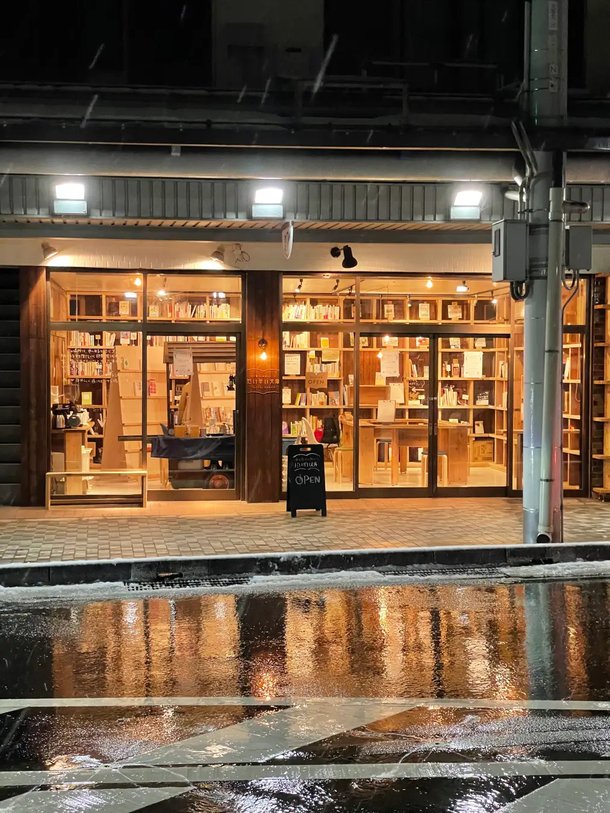
But what about finding older manga series or lesser known works? Your best bet is to head over to a big bookstore. Bookstore chains like Tsutaya, Maruzen, and Kinokuniya often carry a wide range of manga titles and are easy to find in major cities. There are also huge, multi-story bookstores that have a high chance of carrying more manga. Once inside, though, it can be confusing especially if you’re not familiar with a Japanese bookstore’s organizational system. In many English-speaking countries, books are arranged based on categories like fiction followed by sub-genres and then by author name. Though in some cases like English translated manga, they’re by title in alphabetical order.

Many Japanese bookstores have their manga under komikku (コミック) or manga (漫画), followed by demographical categories like shōnen, shōjo, seinen, josei, etc. But instead of separating them by genres like action, romance, or fantasy, there’s another factor that can make finding titles a bit challenging: publishers or shuppansha (出版社).

Most manga readers are familiar with the weekly magazines that publish manga like Shonen Jump, Hana to Yume, and more. If you want to buy certain manga published in these magazines, take note of their publishing company. Once at the store, look for that publisher’s name if you can read Japanese. And when you find their section, manga will be grouped by the imprint or label (レーベル) they’re under and further arranged by mangaka’s last name according to the Japanese kana gojūon system. So looking for manga on your own does require some basic knowledge of the Japanese language.

This way of organizing manga can be helpful when looking for new ones to read by publishers readers are already familiar with. But if you’re looking for a mangaka’s works from different publishers, be ready to spend some time going between sections.
This also applies to light novels too. Most stores have light novels in their own section, but they’re still arranged by publisher, label, and author by last name. Apothecary Diaries fans, for example, might have to do a bit of searching around the bookstore to find the two different manga versions and the light novels. But sometimes a fairly popular series might have a display with all related published work together, especially when it’s time to promote a new anime season or upcoming film. Still, it’s a good idea to note those publishers just in case.
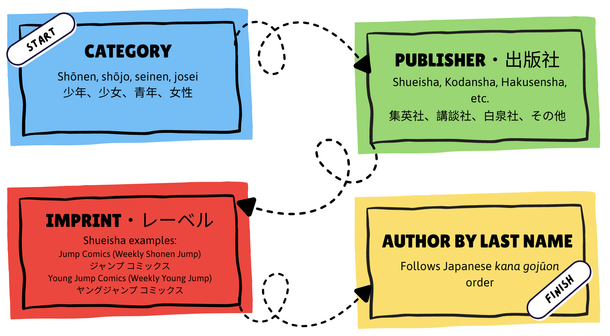
Keep this in mind for quick reference at the bookstore to help you narrow down your search!
While this system is standard for bookstores across Japan, it doesn’t apply if you’re on the lookout for doujin works. Stores that stock doujinshi like K-Books and Melonbooks arrange them by genre (BL, GL, shonen, shojo, idol, etc.) followed by the series name in kana order, and finally by ship/pairing known as CP or kappuring (カップリング) in Japanese. And once you find the ship you’re looking for, it’s up to you to search for whatever doujin you’re hoping to find since they’re not usually arranged in a specific order.
When the search starts to feel a bit overwhelming, don’t be afraid to ask the staff even if you can’t speak Japanese. It helps to have a screenshot of a cover or even just the original Japanese title and author of whatever you’re looking for. They can pull up the publisher info on their end.

But you don’t need to scour the shelves in Japan to get your favorite manga in Japanese. TOM has thousands of manga available for special order and they’re just a few clicks away! Whether you’re hoping to start a collection or looking for a specific volume you missed, check out the TOM Store for availability.
Have you ever spent time browsing a Japanese bookstore? Tell us all about your experience and what books you picked up on your trip!
TOM on YouTube
TOM on FB
TOM on Instagram
TOM on X
Written by Alon Bramble for TOM News
from Tokyo Otaku Mode News https://ift.tt/H0dAXBy
TOM Guide: How to Find Manga in Japan

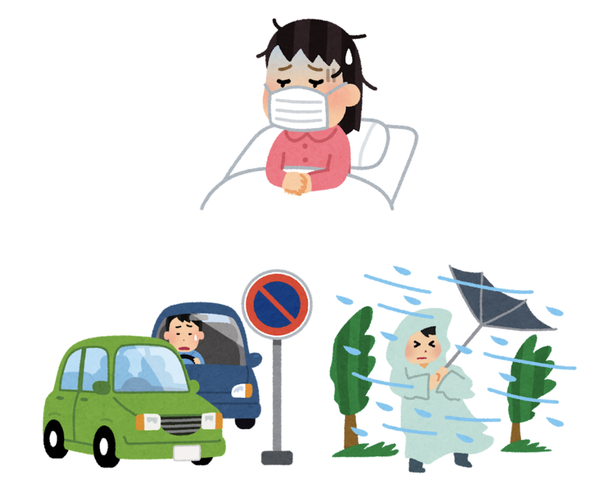
Many fans look forward to oshikatsu, especially when it involves traveling or being able to take part in events like fan meets, concerts, etc. But unforeseen circumstances can cause delays or even ruin those plans completely. And cancellation fees on top of all other expenses are an extra financial burden that can really hurt fans’ budgets.
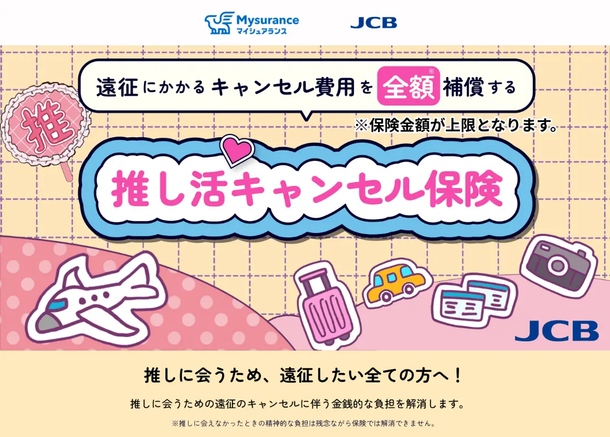
This year, Japanese credit card company JCB partnered with insurance provider Mysurance to make their Oshikatsu Cancel Insurance plan more accessible to customers. Although Oshikatsu Cancel Insurance has been around for over a year, this partnership makes applying and paying for it even easier via JCB’s app.
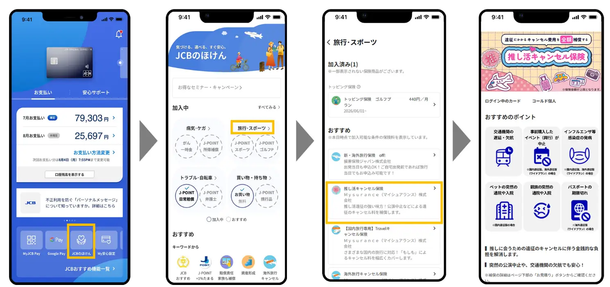
Since 2021, Mysurance has provided Travel Cancel Insurance, a short-term insurance plan which allows for customers to receive refunds and compensation in case they have to cancel their trips due to health reasons and unforeseen circumstances. Last year they partnered with oshikatsu-focused startup Oshicoco to create a new cancellation insurance plan specifically covering fan-related activities.
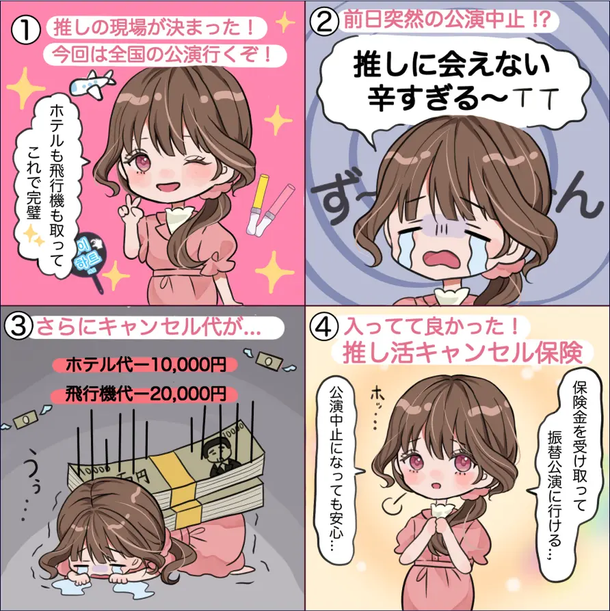
Oshikatsu can involve a lot of planning ahead of time. And there are even times when fans travel domestically and internationally for events. Of course there are event fees, plane tickets, and hotel bookings. But sometimes personal reasons, unexpected weather, or sudden event rescheduling can lead to a lot of cancellation fees. The Oshikatsu Cancellation Insurance allows policy holders to receive money to cover cancellation costs for a premium as low as 900 yen (about $5.50) depending on their full travel expenses and destination.
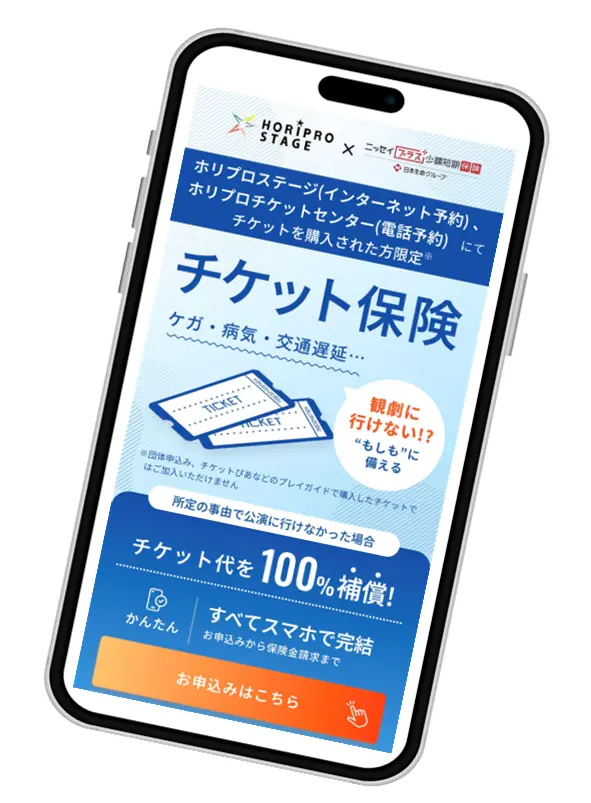
However, the insurance plan doesn’t cover ticket fees unless they’re part of a travel package. In this case, though, other companies are starting to provide similar services. Take Horipro for example, one of Japan’s biggest talent management agencies that also produces all kinds of events involving their talent. They recently launched a ticket insurance service for fans to receive a full refund of their tickets in case of injury, illness, or weather-related delays and cancellations.
At this time, though, these insurance plans are only available to people living in Japan with access to these apps and services. But as the oshikatsu industry continues to grow, other companies may start to consider providing similar solutions.
Have you ever had to pay an exorbitant amount to cover cancellation fees related to oshikatsu? Let us know if this type of insurance service is something you’d like to see in your country!
TOM on YouTube
TOM on FB
TOM on Instagram
TOM on X
Written by Alon Bramble for TOM News
from Tokyo Otaku Mode News https://ift.tt/lR4Fkoj
Insuring Oshikatsu

For the 56th time since 1970, the San Diego Comic-Con International held its annual event celebrating all things pop culture. Running five days from July 22 to July 26 this year, the world famous comic convention played host to over 135,000 attendees. Experts say that SDCC generated an estimated $165,000,000 in economic impact for the region, with about $95,000,000 of that coming from direct spending (source: NBC 7 News). That's a lot of merch shopping!
While I didn't rub shoulders with any of the big name celebrities that came down for Comic-Con (Robert Downey, Jr. will have to keep hoping he meets me), I did get to interview the con's cosplayers - an experience that's just as golden in my book. I conducted yet another brand new experiment that I felt was simple enough for anyone to participate in. Running around the floors in speed-run mode, I asked random cosplayers if they liked to watch anime, and if so, what was their pick as the best anime of all time. The results were fascinating! The interviews have been divided into two separate videos below for your viewing pleasure.
BGM Info:
Track 1: Warfare Blockbuster Trailer Logo - Crypt-of-Insomnia
Track 2: Cinematic Heroic Music - MikeStown
Tracklist posted by Melodic Mood on YouTube
https://youtu.be/pHcI6seQPz0
The majority of interviewees on Day 1 said that they watched anime, with the #1 choice for best anime of all time going to One Piece! Meanwhile, it seemed like the majority of cosplayers I spoke to on Day 2 didn't watch anime. It felt like an even split!
On Day 4, I was also able to interview cosplayers in the famous Gaslamp Quarter district next to the convention. Footage from those interviews will be available for Tokyo Otaku Mode Premium Members in August's Insider Report article next month, along with some of my favorite photos from Comic-Con!
As always, special thanks to all the cosplayers that I interviewed!
This is a Tokyo Otaku Mode original article by Sean Cardeno. Videography assistance by Jamie Fandialan.
from Tokyo Otaku Mode News https://ift.tt/akVtf1q
San Diego Comic-Con 2026: What's the Best Anime of All Time? [Video Report]
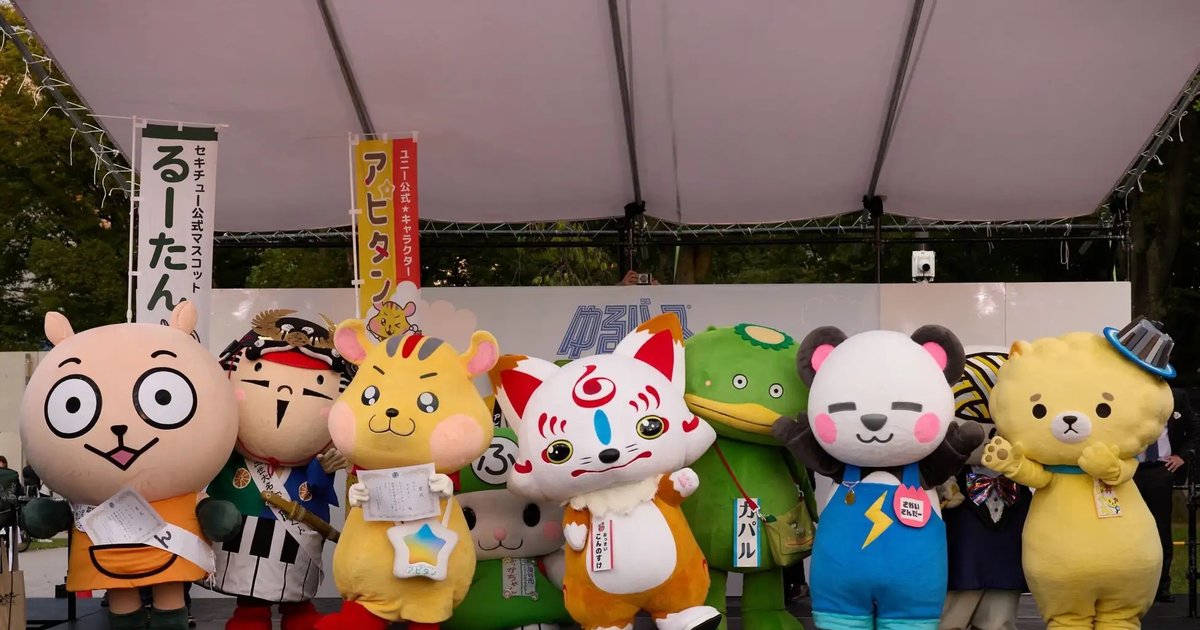
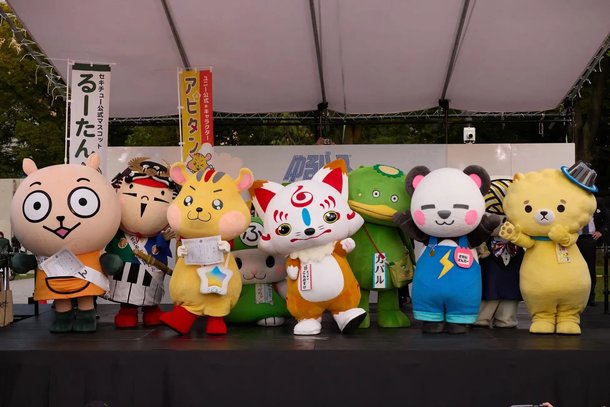
Kumamon. Funassyi. Myaku-Myaku. If you spend enough time in Japan or on Japanese social media, you’ve probably encountered these names. Yuru-chara (ゆるキャラ) is short for “yurui mascot character” (ゆるいマスコットキャラクター) or a “light-hearted” mascot. These characters are often used for public relations and marketing to promote companies, organizations, and even various areas around Japan.
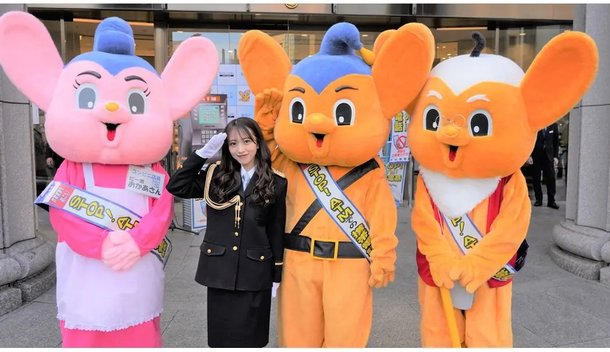
The use of promotional mascots in Japan began catching on in the 1980s when the country hosted a number of expos throughout the decade. But the term yuru-chara didn’t exist until 2000 when writer and mangaka Jun Miura coined the phrase. In the following years, yuru-chara became more and more popular as they soon started appearing more frequently in day-to-day promotional materials. They became especially relevant for cities and regions around Japan, and mascots that specifically represent these areas are referred to as gotōchi-chara (ご当地キャラ) or local characters. Even Japanese police departments have their own various yuru-chara, like Tokyo Metropolitan Police’s Pipo-kun who is often featured on posters at kōban—or small police stations—around the city.
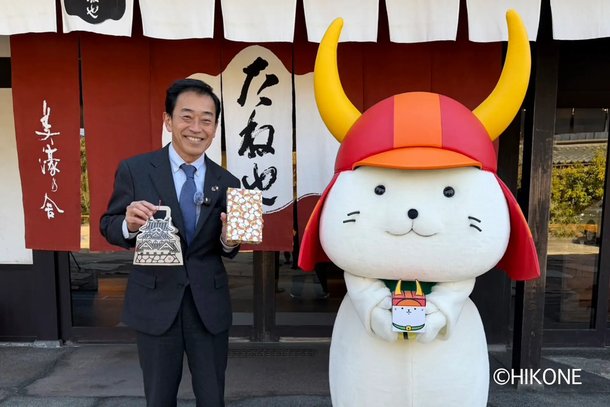
The recent popularity of yuru-chara in the late 2007s began with Hikonyan. This white cat is the official mascot of Hikone City in Shiga Prefecture and was created to celebrate the 400th anniversary of Hikone Castle. Hikonyan’s popularity was cemented when it won the first Yuru-Chara Grand Prix contest in 2010, the same year Kumamoto debuted another well-loved character: Kumamon.
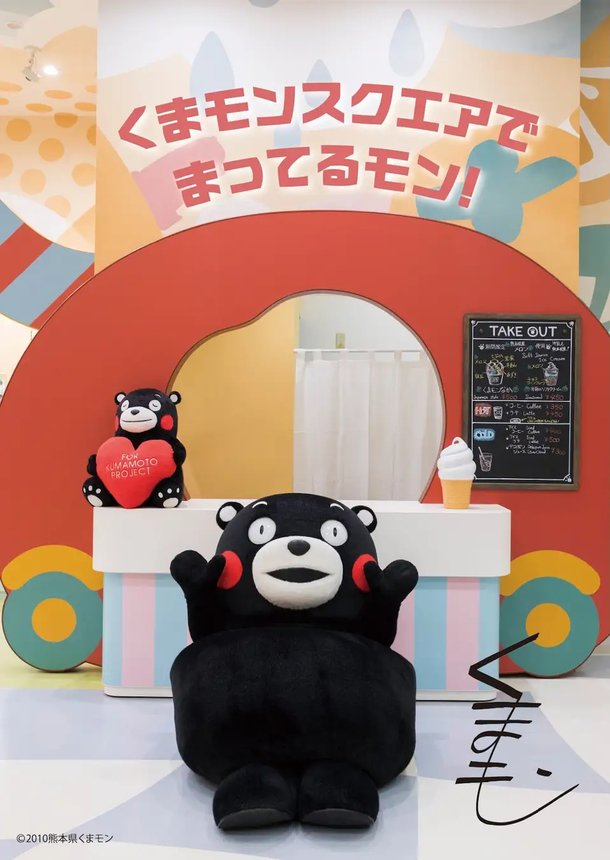
As Kumamoto’s official mascot, Kumamon is one of the most recognizable yuru-chara in Japan and around the world. It was originally created to help promote tourism in Kumamoto, and the promotional strategy behind the character made it immensely well-known throughout the country. With mascots like Hikonyan and Kumamon becoming more and more recognizable, the yuru–chara boom took off, and other places and businesses began using yuru-chara for marketing. Following Hikonyan, Kumamon took first place in the 2011 Yuru-Chara Grand Prix, and since then hundreds of yuru-chara have joined the competition to help promote their localities or organizations.
From 2010 to 2020, the Yuru-Chara Grand Prix took place every year and became a widely anticipated event not just for yuru-chara around Japan but also for fans and local governments. Although the contest itself didn’t have a monetary prize, the winners gained a lot of popularity and often attracted economic and licensing opportunities. However, the competition went through a three-year hiatus after 2020 and rebranded as the Yuruverse competition when it returned in 2023.
Winning the Yuru-Chara Grand Prix takes a lot of votes, but there are other factors involved. Yuru-chara need lore, too. An interesting background story can grab the attention of people outside of a mascot’s home region. And in order to be cute beyond its design, the people under the yuru-chara costume may also undergo training or workshops. Although this isn’t mandatory, there are ways that yuru-chara need to physically act to appeal to younger audiences or communicate since most of them don’t speak. Special mascot schools and training programs exist to teach the people wearing the costumes how to move and act to bring personality to their characters.
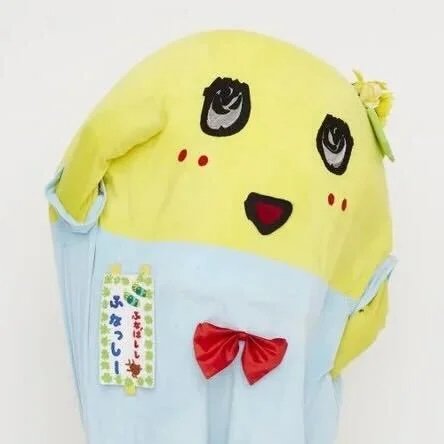
This isn’t required for all yuru-chara actors, though. In fact, even official affiliation with a locale or business isn’t always necessary for a yuru-chara to exist. The pear fairy character Funassyi, for example, wasn’t created by Funabashi City’s government. Instead, the character came to be through the efforts of an anonymous citizen who did offer the character to the local government prior to going independent. When Funassyi started their activities, the character’s energetic movements and way of speaking appealed to so many people and became incredibly famous throughout Japan. In fact, there are a number of yuru-chara that have been submitted by regular people via official contests for large events.
For example, when Expo ‘85 took place in Tsukuba, the organization held a nationwide mascot design contest. A submission by a junior high school student won, and Expo ‘85’s mascot became Cosmo Hoshimaru. Many major events would continue to hold contests to gain character designs, like the Tokyo Olympics 2020 and World Expo 2025.
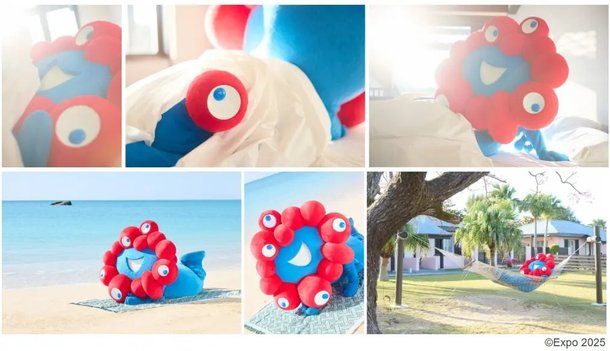
As yuru-chara and other mascots have gained many fans, they’ve even crossed over to the digital world. From idol groups to VTubers, the use of mascots have become more commonplace to attract fans and produce merchandise. Meanwhile, yuru-chara have also been known to do their own streams and other online activities, not limiting themselves to just local events.
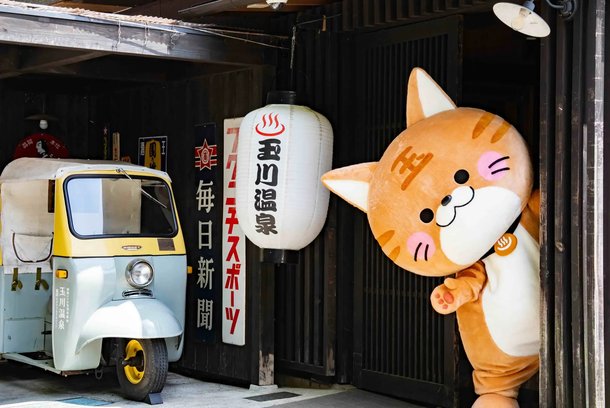
And you may have noticed, yuru-chara play a big role in marketing and PR, but their appeal to fans has also opened a market for tons of merchandise like collaborations with local businesses and souvenirs with the character on the packaging. Widely recognized yuru-chara can even have goods at national chains or get offers for other products, like Myaku-Myaku’s recently published photobook. The world of yuru-chara isn’t just an example of how cute characters can work in PR. These adorable characters have become a huge economic driving force for several areas throughout Japan. Others have become the face of their organizations and being recognized means people know about what they represent.
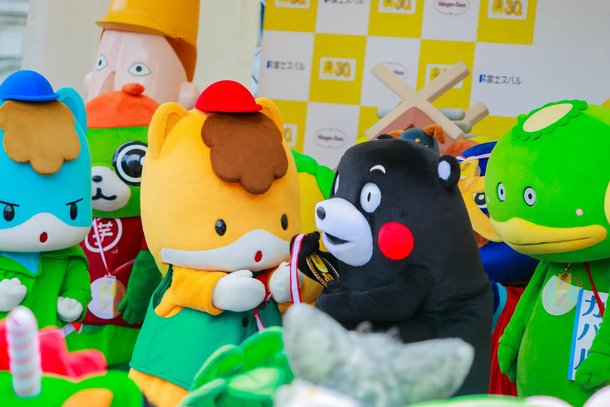
Next time you visit Japan, be on the lookout for all the different yuru-chara. Learn about a new place from their character lore or get an adorable and unique souvenir that supports the local economy. And be sure to tell us about your favorite yuru-chara if you have one or if you’ve discovered a new one to support!
TOM on YouTube
TOM on FB
TOM on Instagram
TOM on X
Written by Alon Bramble for TOM News
from Tokyo Otaku Mode News https://ift.tt/xnjLfIk

